Choosing a Pod Mesh Disposable Vape should begin with evidence, not a glossy package or a “cloud” claim. Mesh heating can affect flavor consistency, but the label alone cannot verify build quality, battery performance, or ingredient accuracy. Check the maker, listed ingredients, batch information, and clear safety instructions. If those details are missing, pause.
The National Academies’ 2018 report, Public Health Consequences of E-Cigarettes, found that device design and operating conditions can affect aerosol composition and nicotine delivery. That makes simple feature comparisons imperfect. Mesh coil, puff count, and liquid capacity are not independent proof of quality. The U.S. CDC’s 2024 National Youth Tobacco Survey also reported 1.63 million current e-cigarette users among middle and high school students. This is a public-health warning, not a product recommendation. Non-users and young people should not start; adults who do not use tobacco should avoid these products.
WHO health-promotion director Dr. Ruediger Krech said, “E-cigarettes are harmful to health and must be better regulated.” Use that warning as context, not advertising copy. For adults legally permitted to purchase vaping products, a careful comparison should include transparent product information, reliable packaging, and applicable local requirements. Where relevant, verify regulatory status through official sources, such as the FDA’s tobacco product listings. A neat finish helps. It proves little. No checklist can make an e-cigarette risk-free, and I would treat “best” as a cautious comparison—not a promise.
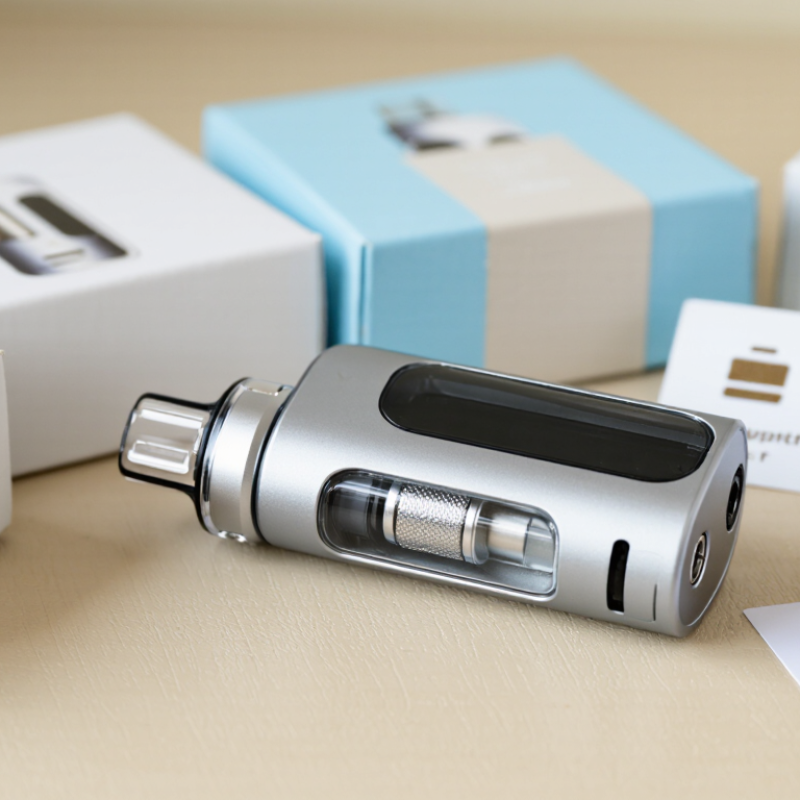
Before comparing pod mesh disposable vapes, define what you need and check whether purchase and use are lawful where you live. Age limits, online sales, delivery, and product rules differ by location and can change. Confirm current requirements through your local government or health authority, not a seller’s advertisement. If you are below the legal purchase age, do not buy or use these products. Many contain nicotine, which can cause dependence.
Check the CDC and FDA’s 2024 National Youth Tobacco Survey for context: 1.63 million U.S. middle and high school students, or 5.9%, reported current e-cigarette use. This survey is not a buying guide, but it shows why age safeguards matter. Before any purchase, verify the seller’s age-check process and whether local rules allow that product and sales channel. Keep the device away from children and pets. Small details matter.
Tips: Have your ID ready for an age check, and read official local guidance before ordering online. Rules can feel tedious. I still find it easy to assume one region’s requirements apply elsewhere; they may not. If the rules are unclear, pause and ask the relevant authority.
Define your needs—and check local age and sales laws before buying.
The chart compares minimum legal sales ages, not whether a particular disposable vape may be sold. Product restrictions can differ by location; for example, the UK bans the sale and supply of single-use vapes. Check current local rules before choosing a product.
Sources: U.S. FDA Tobacco 21; Canada’s Tobacco and Vaping Products Act (federal minimum; provinces and territories may set higher ages); UK, Germany, and New Zealand legislation. Rules may change.
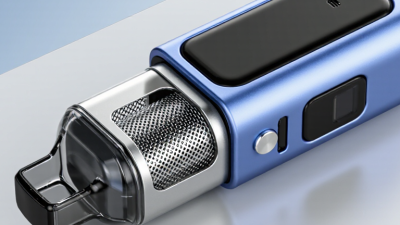
Choosing a pod-mesh disposable is less about a large puff count and more about how its parts work together. For adults who already use vaping products, compare the listed coil design, battery rating, and e-liquid capacity. Mesh coils heat liquid across a broader surface than a simple wire coil. This can support even heating, though flavor and vapor still depend on the device’s design. “Mesh” alone is not a quality guarantee. Check whether the product provides clear specifications rather than relying on vague claims.
Battery life and liquid capacity should also make sense as a pair. A larger reservoir is not useful if the battery runs out first. Look for battery capacity stated in milliamp-hours, but treat estimates cautiously: power settings and usage patterns affect runtime. Read the package details. They can be incomplete. Compare stated liquid volume, too, and remember that labels may not explain how much remains usable. I’d question any device whose puff estimate seems disconnected from its battery and reservoir sizes; those numbers can be hard to verify. Disposable vapes can contain nicotine, which is addictive, and are not suitable for people who do not already use such products. Dispose of used devices through an appropriate battery or electronics collection point.
A pod-mesh disposable may deliver nicotine differently depending on its liquid concentration and design. Check the strength on the package, and note whether it is listed as a percentage or in milligrams per milliliter. Those units are not interchangeable. If the amount is unclear, do not guess from the device’s size or flavor. Read the label.
Nicotine is addictive, and a stronger liquid can make it easier to take in more than intended. People who do not already use nicotine should not start; nicotine is especially risky for young people and during pregnancy. A device that feels smooth is not necessarily low in nicotine. That distinction is easy to miss.
Look for a clear ingredient list, including the liquid’s base ingredients and flavorings. The aerosol can contain harmful substances, and a printed list cannot show exactly what each puff delivers. Mesh heating may affect how liquid is heated, but it does not make the aerosol harmless. I would not treat neat packaging as proof of safety; labels have limits. Anyone with breathing or heart concerns, or questions about nicotine exposure, should ask a qualified health professional rather than rely on a product description.
A pod-mesh disposable’s clean packaging does not prove it is genuine. Check the seal, batch or lot code, manufacturer details, and product name; compare them with the maker’s official information. A QR code that opens an unrelated page is a warning sign. So is blurry print, mismatched nicotine figures, or a missing ingredient list. Keep the box. It helps if you need to report a defect. Still, labels can be copied, so visual checks alone cannot confirm authenticity.
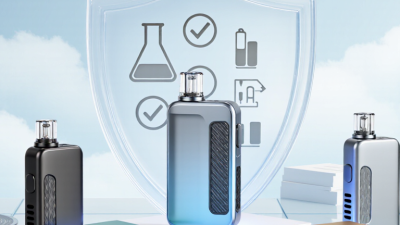
Read the safety information before handling the device. Look for clear nicotine concentration, ingredient details, age and health warnings, and instructions for charging or disposal. Check for a sealed pod, intact casing, and stated protections against overheating or short circuits; never use a swollen, leaking, or unusually hot device. The CDC and FDA’s 2024 National Youth Tobacco Survey reported 1.63 million U.S. middle and high school students currently used e-cigarettes; disposable products were the most commonly used type among them, at 38.4%. That is a reason to treat access and storage seriously, not as small print. WHO’s 2023 report on e-cigarettes also notes that nicotine is addictive. Labels matter, but they cannot make a risky product harmless.
Use this checklist to assess product information and basic safety indicators. It cannot guarantee product quality or make vaping risk-free.
| Check | What to look for | More reassuring signs | Warning signs and what to do |
|---|---|---|---|
| Authenticity and traceability | A batch or lot number, intact packaging, and a way to contact the manufacturer or responsible supplier. If a verification code is provided, check it using the official verification channel. | ✓ Packaging details are consistent, and the batch information can be checked or confirmed through a credible source. | ! Missing or altered codes, broken seals, spelling errors, or a verification page that cannot be independently confirmed. Do not use a product that appears tampered with or counterfeit. |
| Ingredient and nicotine labeling | A clear ingredient list and, if nicotine is present, a clearly stated nicotine concentration. Check the units, such as mg/mL or percentage, rather than relying on words like “strong.” | ✓ Nicotine content, liquid volume, ingredients, and required health warnings are legible and clearly presented. | ! No ingredient information, unclear nicotine units, conflicting package details, or claims that the product is harmless. Nicotine is addictive. |
| Required labeling and contact details | Manufacturer or importer details, applicable warnings, batch information, and any instructions or disclosures required by local law. | ✓ Information is readable and specific, and the product appears to meet the rules in the place where it is sold. | ! No responsible-party details, missing warnings, or a label in a language you cannot understand. Requirements differ by location; check local regulations. |
| Battery and device condition | A device with no cracks, leaks, swelling, exposed wiring, unusual heat, or other visible damage. Follow the supplied instructions. | ✓ The device is intact and the packaging provides clear handling guidance. Charge it only if it is designed to be rechargeable, using the instructed method. | ! Do not use, puncture, dismantle, or modify a damaged device. Keep it away from heat and flammable materials; follow local guidance for battery disposal. |
| Pod, mesh coil, and performance claims | Clear instructions about the device and its intended use. A “mesh” description alone does not establish safety, quality, or consistent performance. | ✓ Product descriptions are specific and avoid unsupported medical, safety, or “risk-free” claims. | ! Treat claims such as “safe,” “healthy,” or “approved” with caution unless independently supported and applicable to your location. |
| Age and safe storage | Age restrictions and storage instructions, particularly where nicotine-containing liquid is present. | ✓ The product is sold in compliance with local age rules and can be stored securely away from children and pets. | ! Keep devices and liquids out of reach. Nicotine liquid can be harmful if swallowed or absorbed through skin; seek urgent local medical or poison-control advice after exposure. |
| End-of-life disposal | Local instructions for disposing of a device containing a battery and any remaining liquid. | ✓ Disposal guidance directs users to an appropriate local battery or e-waste collection option. | ! Do not put a disposable vape in fire. Follow local waste rules; batteries may pose a fire risk if damaged or discarded improperly. |
Health note: Vaping is not risk-free. Nicotine can cause dependence, and vaping is not appropriate for people who do not already use tobacco or nicotine, people under the legal age, or those who are pregnant. Product checks do not establish that a vape is safe.
A pod mesh disposable vape may look like a small plastic tube, but it can contain a battery, electronic parts, and leftover liquid. Those materials should not go in household recycling or a street bin. A damaged battery can create a fire risk in waste collection, while liquid residue may leak onto other materials. Small parts matter. Check your local waste service for an accepted battery or electronic-waste drop-off point. Some collection sites have specific rules for devices that still contain a battery.
Keep the device intact, dry, and away from heat while you arrange disposal. Do not cut it open or try to remove the battery; that can cause injury or a short circuit. If it is leaking, avoid skin contact and follow local hazardous-waste guidance. Packaging may be recyclable, but only when it is clean and accepted by your local program. Take-back options vary, so confirm before making a trip. It is easy to forget the environmental cost of a single small item, and collection systems are not equally convenient everywhere. That limitation deserves attention, too.