Choosing among the 2026 Top Compliant Cloud Disposable Vape Suppliers requires more than comparing flavors, prices, or package design. Compliance must remain the central filter. Suppliers should demonstrate legal-market authorization, verified age controls, ingredient documentation, battery safety testing, and transparent manufacturing records. No supplier is automatically compliant forever. Regulations change.
The World Health Organization’s Global Report on Trends in Tobacco Use 2000–2030 highlights the continuing need for stronger controls around emerging nicotine products. Its findings reinforce a practical lesson: responsible suppliers must monitor public-health guidance, not simply follow minimum commercial requirements. In the United States, the FDA’s searchable tobacco products database provides an essential reference for checking marketing authorization and regulatory status. Buyers should request matching product identifiers, current laboratory reports, and documented quality procedures.
The CDC’s 2023 National Youth Tobacco Survey reported that approximately 2.13 million U.S. middle and high school students used e-cigarettes. That figure makes youth protection non-negotiable. Reliable Cloud Disposable Vape suppliers should use robust age-verification systems, discreet but compliant packaging, and responsible advertising that excludes minors. They should also provide clear nicotine disclosures and avoid unsupported health claims.
Market forecasts can be useful, but they are not proof of compliance. Reports from Grand View Research and Euromonitor International indicate continued development in the broader e-cigarette sector, although their estimates differ by market definition. This difference deserves reflection. A credible supplier must combine commercial capability with evidence, traceability, and regulatory awareness. Product quality should be visible in records, not just promised in sales materials.
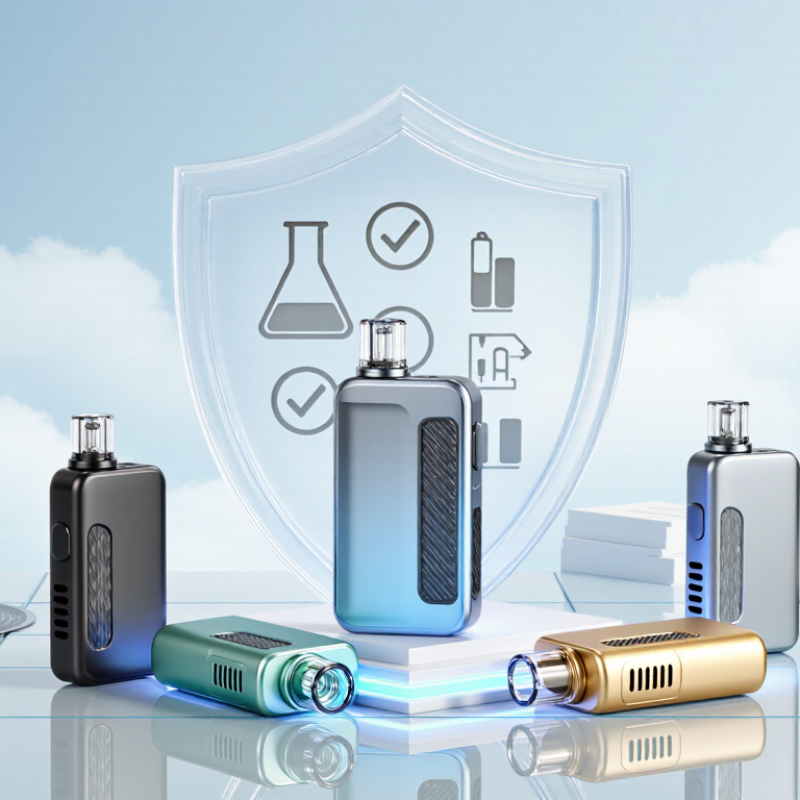
A compliant cloud disposable vape supplier in 2026 must prove more than attractive vapor output. It should provide market-specific authorization, verified manufacturing records, and transparent batch traceability. The U.S. Food and Drug Administration states that only authorized electronic nicotine delivery products may be legally marketed in the United States. In Europe, suppliers must follow Tobacco Products Directive requirements, including notification, labeling, and capacity limits.
Independent testing matters. Ask for laboratory reports from ISO/IEC 17025-accredited facilities. These reports should cover nicotine strength, prohibited substances, heavy metals, emissions, battery safety, and leakage performance. The CDC’s 2024 National Youth Tobacco Survey estimated 1.63 million U.S. middle and high school students currently used e-cigarettes. That figure makes robust age-control procedures essential, not optional.
Supplier experience appears in small details. A reliable partner can show production dates, component origins, recall procedures, and complaint records. It should also explain how packaging changes for each jurisdiction. Do not trust vague certificates. Some documents look professional but lack laboratory scope or traceable batch numbers. I would inspect samples, repeat tests, and challenge the supplier’s claims before placing an order. Compliance is not a permanent label; regulations, devices, and evidence can change.
For 2026 procurement, compliant cloud disposable vape suppliers must prove market-specific control, not simply advertise laboratory testing. In the European Union, the Tobacco Products Directive limits nicotine liquid to 20 mg/mL and disposable tanks to 2 mL. Products also require notification before sale. In the United States, the FDA states that e-cigarettes need marketing authorization, while the CDC reports that no tobacco product is safe.
Supplier evidence should cover ingredient traceability, batch testing, emissions screening, and accurate nicotine labeling. Independent laboratories should test heavy metals, carbonyl compounds, nicotine concentration, and microbial contamination. Battery safety also matters. IEC 62133-2 supports rechargeable-cell safety testing, while UN 38.3 covers transport testing. The 2024 Global E-cigarette Market report by Grand View Research estimated strong market expansion, but commercial growth does not replace regulatory proof. Some supplier documents look complete yet lack raw test data. That gap deserves attention.
Tips: Request recent certificates, full test reports, and product-specific declarations. Check whether the laboratory is ISO/IEC 17025 accredited. Verify production records through a controlled sample audit. Confirm child-resistant packaging under ISO 8317 where applicable. Review recycling and battery-disposal procedures. Do not accept one global certificate as universal approval. Rules differ by country, and some interpretations remain unclear. A careful supplier should admit those limits, not hide them.
Choosing a compliant cloud disposable vape supplier requires more than reviewing a polished certificate folder. Ask for certificates showing the issuer, covered facility, product scope, issue date, and expiry date. Verify them through the issuing body, not only through supplier-provided links. Quality systems such as ISO 9001 may support process control, but they do not automatically prove product compliance in every market.
Testing records should identify the exact model, production lot, laboratory, method, and acceptance limits. Request battery safety tests, leakage checks, electrical performance data, and ingredient analysis from an independent laboratory. For regulated products, confirm that nicotine content, labeling, packaging, and emissions testing match local requirements. A vague certificate is a warning sign.
Traceability should work backward from one finished unit. Scan its lot code and locate the assembly date, component suppliers, test results, and shipping record. The supplier should explain how it isolates affected batches during a recall. Keep samples from each shipment, including packaging and labels. Small details matter.
A practical audit also includes a factory video call or site visit. Check calibration stickers, sealed sample storage, and documented corrective actions. Do not accept copied reports with mismatched model numbers. I have found that paperwork can look complete while batch controls remain weak. That gap deserves uncomfortable questions. No audit is perfect. Review evidence repeatedly, especially when regulations or product designs change.
Before comparing suppliers, verify that product specifications, independent laboratory testing, certification records, and batch-level traceability meet the applicable market rules. The chart shows the EU Tobacco Products Directive quantitative limits that remain a useful screening baseline for nicotine products legally permitted for sale.
EU limits: maximum nicotine concentration of 20 mg/mL, maximum cartridge or tank capacity of 2 mL, and maximum refill-container capacity of 10 mL. For the UK, also confirm current market-specific rules, including the ban on single-use vapes introduced on 1 June 2025. Suppliers should provide current market authorization evidence, accredited test reports, ingredient and emissions documentation, and lot-to-batch traceability.
Sources: EU Directive 2014/40/EU, Article 20 · UK Government single-use vape ban guidance
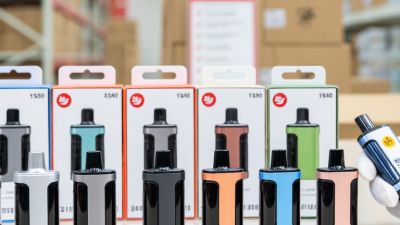
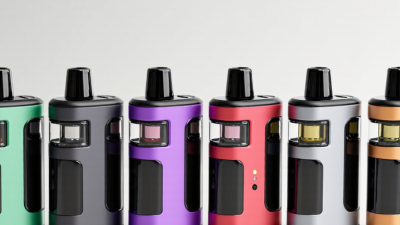
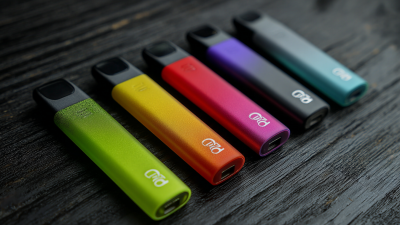
Choosing a compliant cloud disposable vape supplier requires more than comparing catalog photos. Product quality starts with consistent airflow, secure seals, stable battery performance, and accurate liquid volume. Ask for independent laboratory reports, batch records, and traceable component details. These documents should match the products delivered, not older samples. A professional supplier also provides clear labeling, age restrictions, ingredient information, and market-specific compliance support.
Manufacturing capacity matters when demand increases. Review monthly output, backup production lines, quality-control staffing, and lead times for repeat orders. A factory may quote impressive capacity yet struggle with small design changes. Request pilot samples before signing a large contract. Test several units from different batches. Small differences can reveal weak process control. Customization may include casing colors, airflow settings, packaging, language, and device specifications. However, excessive customization can increase defects, minimum order quantities, and regulatory review time. Practical designs usually perform better than complicated ones.
Tips: Ask for a sample approval process, not verbal promises. Check test dates, certification scope, and document authenticity. Confirm whether the quoted capacity includes final inspection and compliant packaging. Keep written records of revisions. I would also leave room for doubt; a polished factory tour cannot replace independent testing.
Anonymized supplier comparison using compliance benchmarks and buyer-verification criteria; no company or brand names are displayed.
| Supplier Profile | Regulatory Readiness | Product Quality Controls | Manufacturing Capacity | Hardware & Safety | Customization Options | Documentation Package | Lead-Time Range | Overall Fit |
|---|---|---|---|---|---|---|---|---|
| Profile A EU-focused contract manufacturer |
Strong Supports EU market files, ingredient records, batch traceability, and nicotine-product labeling review. EU sales still require country-specific notification and legal review. |
In-process e-liquid checks, fill-weight sampling, leak testing, aging checks, and batch-release records. Target specifications should be confirmed in the quality agreement. | Documented band: 1–3 million finished units/month, subject to product mix and line availability. | Battery protection, short-circuit protection, overcharge protection, and child-resistant packaging options. Require test reports for the exact SKU. | Flavour development, nicotine-strength selection, airflow design, pod capacity, mouthpiece, packaging, artwork, and multilingual labels. | COA, SDS, ingredient declaration, batch records, packaging specifications, transport documents, and selected third-party test reports. | 30–50 days after artwork and specifications approval | High |
| Profile B High-volume OEM/ODM facility |
Market-dependent Strong production documentation, but the buyer must independently verify destination-market authorization, product notification, and claims compliance. |
Automated filling, weight control, visual inspection, sampling plans, and finished-goods inspection. Ask for defect-rate data from the previous 12 months. | Documented band: 3–8 million finished units/month across multiple production lines. | Standard lithium-ion protection circuit, draw-activation testing, resistance checks, and charging safety controls where applicable. Exact battery certifications required per model. | Extensive ODM support, including mould development, display or indicator options, dual-flavour configurations, disposable and rechargeable formats, and retail packaging. | Factory audit report, ISO 9001 certificate if applicable, COA, SDS, incoming-material records, final-inspection report, and carton test data. | 35–65 days for new designs; 20–35 days for repeat orders | High for scale |
| Profile C North America-focused private-label supplier |
High buyer responsibility Product support may include technical files and manufacturing records, but U.S. market authorization cannot be assumed. Confirm the applicable FDA pathway before commercial distribution. |
Batch sampling, e-liquid identity checks, fill-volume verification, leak testing, and packaging inspection. Require a written recall and complaint-handling procedure. | Documented band: 0.5–2 million finished units/month, with capacity dependent on nicotine format and packaging configuration. | Battery and airflow testing, coil-resistance checks, thermal monitoring, and packaging safety review. Obtain model-specific electrical and transport test evidence. | Moderate customization: flavour profile, nicotine concentration, branding, packaging, device colour, and carton configuration. Engineering changes may require higher MOQs. | Technical specifications, COA, SDS, manufacturing-site information, batch traceability, adverse-event contact process, and packaging compliance checklist. | 45–75 days for first private-label order | Conditional |
| Profile D Value-oriented export manufacturer |
Basic Can provide common export documents, but destination-country rules, nicotine limits, labeling, and marketing restrictions require independent verification. |
Incoming inspection, production-line checks, sample leak testing, and final visual inspection. Independent laboratory testing is recommended before launch. | Documented band: 1–4 million finished units/month; capacity claims should be checked through a live factory audit. | Standard protection features may be available, but battery cell origin, protection-board specifications, and thermal test results must be documented for each SKU. | Basic logo printing, colour selection, flavour selection, e-liquid strength, carton artwork, and standard device-shell modifications. | COA and SDS generally available; request full material declarations, batch records, packaging test reports, and independent electrical-safety evidence. | 25–45 days for standard products | Medium |
| Profile E Premium small-batch development partner |
Strong technical support Suitable for controlled launches where formulation records, product specifications, label review, and change control are prioritized. Market authorization remains buyer-specific. |
Formulation control, flavour-batch consistency checks, accelerated stability testing, fill-volume verification, leak testing, and documented change control. | Documented band: 0.1–0.8 million finished units/month, optimized for pilot runs and premium product development. | Higher-grade components, improved draw consistency, tighter resistance tolerances, battery traceability, and expanded pre-shipment testing. | High flexibility for formulation, airflow, coil, mouthpiece, casing, packaging, artwork, and pilot-run revisions. Lower-volume development support may be available. | Formulation dossier, COA, SDS, stability summary, batch traceability, change-control records, packaging specifications, and pre-shipment inspection report. | 50–90 days for development; 30–50 days for repeat orders | High for quality |
2026 Top Compliant Cloud Disposable Vape Suppliers?
A Practical Process for Selecting a Reliable 2026 Supplier
Reliable supplier selection starts with evidence, not attractive product photos. The WHO Global Report on Trends in Tobacco Use 2000–2030 estimated 1.25 billion adult tobacco users in 2022. That scale creates pressure for speed, but rushed purchasing can hide weak controls. Request a current business license, factory address, batch records, ingredient specifications, and market-specific compliance files. Verify each document with the issuing laboratory or authority.
Check the product in person. Inspect seal quality, charging protection, labeling, packaging, and batch codes. Ask for test reports from an ISO/IEC 17025-accredited laboratory. Reports should cover nicotine accuracy, prohibited substances, heavy metals, emissions, and battery safety. For shipments containing lithium batteries, request applicable UN 38.3 transport documentation. In the European Union, confirm notification status and limits under the Tobacco Products Directive, including nicotine concentration and container capacity. Requirements differ elsewhere.
Use a small pilot order first. Record delivery time, defect rate, leakage, test consistency, and complaint response. A supplier promising zero defects deserves closer scrutiny. Real factories still show occasional failures. The important question is whether corrective action is documented and completed. I would also audit the subcontractor list, because a polished factory visit can miss outsourced filling or assembly. Keep dated records, signed approvals, and independent retesting before each major purchase.