Leave Your Message

What Is a Pod Mesh Disposable Vape for Buyers?

A Pod Mesh Disposable Vape combines a compact pod-style body with a mesh heating element. The mesh spreads heat across a wider surface than a simple wire coil, which can affect vapor production and flavor consistency. But the term alone does not verify performance. Buyers still need to check the device’s specifications, build quality, and clear labeling.

The market is growing, but market size is not a safety rating. Grand View Research estimated the global e-cigarette and vape market at about USD 26.8 billion in 2023 and projected strong growth through 2030. That figure covers a broad product category, not pod-mesh disposables alone. Estimates also depend on each report’s definitions. Details matter. Dr. Konstantinos Farsalinos, a cardiologist and e-cigarette researcher, has emphasized that e-cigarettes are not harmless and that claims about their risks should be judged against evidence. This is a paraphrase of his public position, not a product endorsement.

For adult buyers, practical checks matter more than glossy packaging. Look for readable ingredient and nicotine disclosures where applicable, a stated battery capacity, secure seams, and consistent product information. Compare specifications carefully; a mesh coil does not guarantee better quality or safer use. If labeling is vague, treat that as a reason to pause. This guide explains what the product is, how its parts work, and which details buyers can verify before making an informed choice.
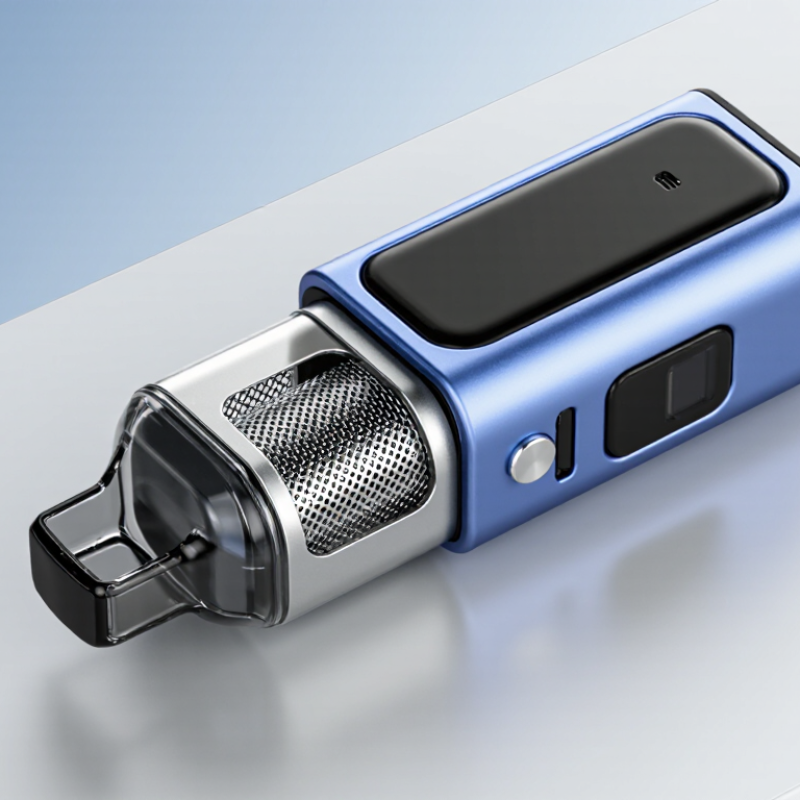
What Is a Pod Mesh Disposable Vape for Buyers?

What Is a Pod-Mesh Disposable Vape? Core Components and Design

A pod-mesh disposable vape combines a sealed liquid pod, a mesh heating element, a wick, a battery, an airflow channel, and a mouthpiece. The pod holds the liquid; the wick draws it toward the heater. When activated, the mesh warms the liquid for inhalation. Mesh usually means a thin metal sheet with many small openings, rather than a single wire coil. Its broad surface can heat liquid across a more distributed area, but design and power settings affect the result.

The small details matter. A buyer can inspect whether the pod is visibly sealed, whether airflow openings are clear, and whether the device feels evenly assembled. Mesh alone does not guarantee consistent output or a better experience. Wick material, liquid supply, battery control, and manufacturing tolerances also play a role. A 2022 Grand View Research report estimated the global e-cigarette and vape market at USD 22.45 billion, with projected growth from 2023 to 2030. That figure describes market scale, not proof that mesh performs better. One limitation: product labels rarely reveal enough engineering detail for a buyer to verify heating consistency independently.
How Mesh-Coil Heating Works: Coil, Wick, and E-Liquid Flow

A pod mesh disposable vape uses a thin, patterned metal strip as its heating element. Unlike a narrow wire, mesh spreads heat across a wider area. The wick sits against this surface and carries e-liquid from the reservoir through tiny spaces in its fibers. Capillary action does the work. No pump is needed.

When the device activates, its battery sends current through the mesh. The warmed mesh heats liquid held in the wick, producing an inhalable aerosol. Air moving through the pod carries that aerosol toward the mouthpiece. The sequence is simple, but each part depends on the others: a dry wick or uneven liquid flow can affect heating and taste. Small details matter.

A well-saturated wick helps limit overly hot spots, though design and use conditions vary between devices. The explanation can sound tidier than reality. E-liquid thickness, wick material, and airflow all influence how steadily liquid reaches the mesh. If the wick cannot replenish quickly enough, the heating surface may become hotter than intended. That does not make every harsh taste easy to diagnose; airflow or liquid condition may also play a role. Mesh describes the heating element, not a guarantee of consistent performance.

Which Buyer Specs Matter: Capacity, Battery, Nicotine, and Puff Claims

A pod mesh disposable vape uses a mesh-style heating element to warm liquid across a broader surface. Buyers should check the stated liquid capacity in millilitres, not rely on the device’s size or appearance. Capacity helps explain how much liquid it holds, but it does not predict exactly how long it will last. Puff estimates vary with inhalation length, frequency, and airflow. Those numbers can mislead.

Battery details matter, too. A listed capacity in milliamp-hours offers a rough comparison, but performance also depends on the device’s power settings and design. Check whether charging is supported and whether the label gives clear battery information. Do not use a device that is swollen, unusually hot, leaking, or damaged. Nicotine concentration should be stated clearly, such as in mg/mL or as a percentage. Read the actual figure; labels and units can be easy to misread. Nicotine is addictive, and a higher concentration is not a measure of product quality.

Treat puff counts as estimates, not guarantees. A longer draw may use more liquid and battery than a brief one. Packaging should identify liquid volume, nicotine strength, and relevant safety information. If any specification is missing or inconsistent, pause and verify it rather than guessing. Keep devices away from children and pets, and follow applicable local requirements.

EU TPD Benchmarks: 2 mL Tanks and 20 mg/mL Nicotine Limits

For adult buyers comparing pod mesh disposable vapes, the EU TPD figures are useful reference points. Nicotine-containing devices are limited to 2 mL of liquid in the cartridge or tank, while nicotine strength must not exceed 20 mg/mL. These are separate limits: a smaller pod can still contain liquid at the maximum permitted strength.

Mesh describes the heating element, designed to spread heat across a wider surface than a simple wire coil. The actual draw, flavour, and consistency depend on the device’s design and airflow, so “mesh” alone does not guarantee a better experience. Check the package for liquid volume and nicotine concentration. Labels matter. If either figure is unclear, avoid guessing; ask the seller or choose a clearly documented product.

Rules and product requirements can differ by country, and national authorities may update guidance. Confirm the current rules where you live before buying, and purchase only if you meet the local age requirement. A compliant-looking label is not proof by itself, and I would not treat a product description as a substitute for official guidance. One detail buyers sometimes overlook: the 2 mL limit concerns the liquid capacity, not the size of the whole device.

How to Assess Quality: Leak Resistance, Output, Safety, and Labeling

For a pod mesh disposable vape, inspect the pod seams and mouthpiece before use. Wipe the exterior with a clean tissue; fresh liquid or sticky residue may indicate leakage. Check whether the airflow opening is clear and the pod sits firmly. Mesh coils can heat liquid across a broad surface, but that design alone does not prove consistent output or prevent leaks. Small details matter.

Output should feel steady, not sharply weaker or unusually hot between puffs. In a laboratory study of 12 e-cigarette brands, Goniewicz et al. measured aerosol nicotine concentrations from 0.5 to 15.4 mg/m³ under their test protocol (Tobacco Control, 2014). Those older devices and test conditions do not predict every current product. They do show why clear specifications and independent testing matter. Look for battery warnings, use instructions, batch identification, ingredient and nicotine details, and disposal guidance. If a rechargeable device is damaged, swollen, or unusually hot, stop using it. Check the paperwork. Labels can still be incomplete, and that deserves scrutiny.

What Is a Pod Mesh Disposable Vape for Buyers? — How to Assess Quality: Leak Resistance, Output, Safety, and Labeling

Legal Nicotine-Concentration Limits for Consumer Vaping Products

Both the European Union and Canada set a maximum nicotine concentration of 20 mg/mL for covered consumer vaping products. Check the package label against the rules where the product is sold. These limits do not establish whether a device is leak-resistant, delivers consistent output, or has safe construction; assess those qualities using product-specific test evidence and clear safety labeling.

Sources: EU Tobacco Products Directive 2014/40/EU, Article 20; Canada’s Nicotine Concentration in Vaping Products Regulations.