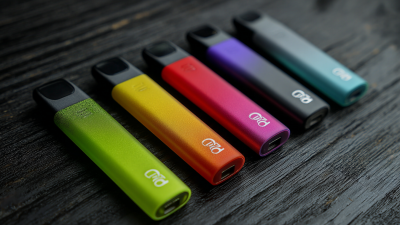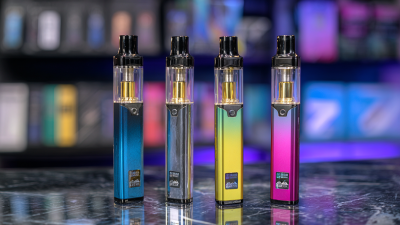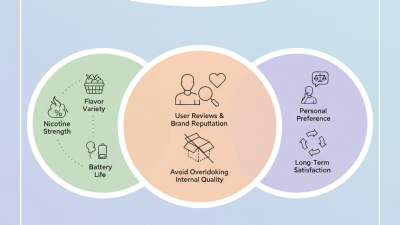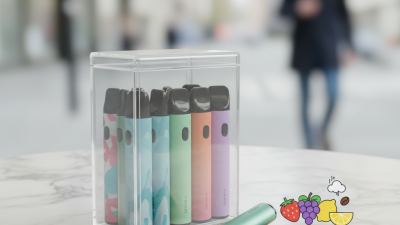
Sourcing Disposable Vape Bulk for global retail requires more than comparing unit prices. It demands disciplined compliance, supplier verification, and clear evidence of product quality. The opportunity is substantial, but the risks are equally visible. Retailers must confirm legal market access, age restrictions, nicotine limits, labeling rules, battery standards, and recycling obligations before placing an order.
The CDC’s 2024 National Youth Tobacco Survey reported that 1.63 million U.S. students currently used e-cigarettes, with disposable products remaining the most common device type. That figure signals strong consumer demand, but it also reinforces the need for responsible distribution. WHO reports continue to emphasize youth protection, product controls, and transparent health communication. Market estimates from Grand View Research also indicate continued growth in the global e-cigarette sector, although forecasts vary by methodology and region. Numbers can mislead.
Professor Ann McNeill, lead author of Public Health England’s evidence review, stated: “The current best estimate is that e-cigarettes are around 95% less harmful than smoking.” This comparison does not mean vaping is harmless. It also does not replace local regulatory review or responsible retail practice.
A dependable Disposable Vape Bulk strategy should include factory audits, batch-level testing, ingredient documentation, and traceable shipping records. Ask for test certificates, not promises. Inspect packaging samples closely. Check seals, warnings, QR codes, and battery condition. A weak supplier may offer attractive pricing while hiding inconsistent specifications. That is where many purchasing plans fail. A careful sourcing framework protects adult consumers, strengthens retailer credibility, and supports lawful operations across different markets.
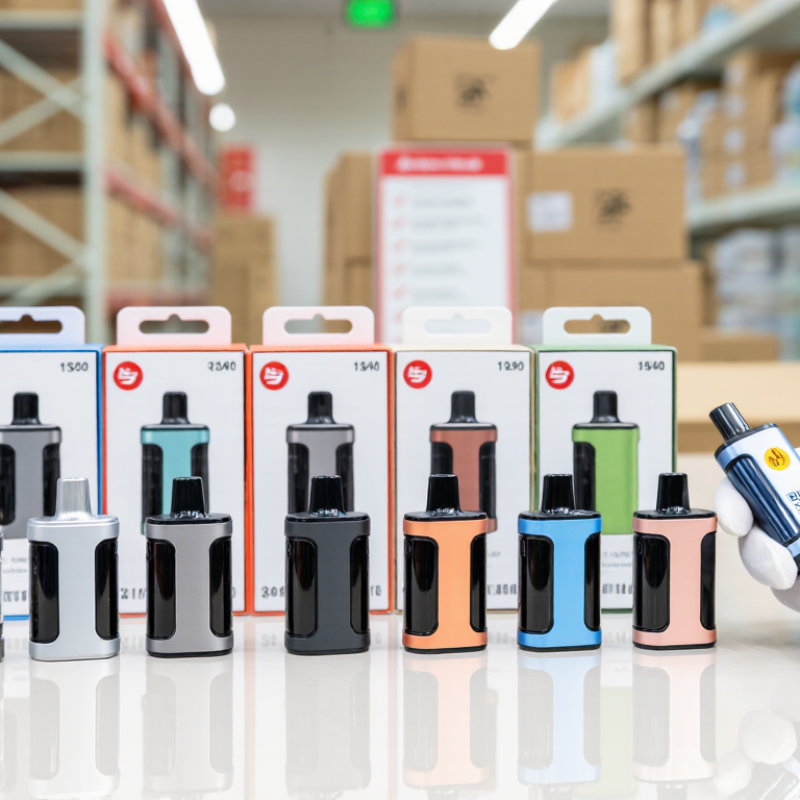
WHO’s estimate of 1.3 billion tobacco users offers useful scale, but it does not equal disposable vape demand. Tobacco use differs sharply by age, income, regulation, and consumer habits. A responsible buyer should treat this figure as a reference point, not a sales forecast.
Start with country-level data, legal-age population estimates, and official public-health guidance. Some markets restrict nicotine products, flavors, advertising, or disposable formats. Others require prior notification, specific labeling, or local authorization.
Use a measured sourcing process. Ask suppliers for independent laboratory reports, battery safety documentation, ingredient disclosures, and production traceability.
Check whether packaging supports local language, health warnings, recycling rules, and tax requirements. Product samples should be inspected for leakage, charging safety, airflow consistency, and accurate nicotine information.
Keep records from factory inspection to warehouse delivery. Small details matter.
Do not confuse a low unit price with a reliable supply chain. Minimum order quantities can hide storage costs, testing fees, and unsold inventory.
A pilot shipment may reveal problems that a spreadsheet misses. It may also expose my own weak assumption: global tobacco prevalence cannot predict repeat purchases.
Retailers should review age-verification controls, returns, disposal procedures, and customs documentation before scaling. Demand should be modeled conservatively, with compliance costs included from the beginning.
Global retail sourcing begins with market-specific compliance, not a factory quotation.
In the European Union, the Tobacco Products Directive generally limits nicotine strength to 20 mg/mL. It also limits disposable cartridges and tanks to 2 mL. The 2 mL rule does not mean every e-liquid bottle must contain only 2 mL. This distinction prevents costly packaging errors.
Ask suppliers for recent laboratory reports, ingredient records, nicotine calculations, and batch traceability. Check that each unit has child-resistant packaging, tamper-evident protection, health warnings, and required safety information. Nicotine products may also require notification and chemical-labeling duties in individual member states. Requirements can change. Verify them with current official guidance before placing a bulk order.
A practical review should examine samples from several production batches. Inspect fill volume, leakage, airflow, labeling accuracy, and battery protection. Keep photographs and signed inspection records. Small details matter. A supplier may provide attractive documents, yet inconsistent batch data should slow the purchase. I would also test translated warnings with local compliance specialists, because awkward wording can create avoidable risks. Rules differ. Retailers should confirm taxes, recycling obligations, age-control procedures, and import documentation in every destination market. Bulk pricing is useful only when the goods can be legally sold, safely handled, and reliably traced.
Sourcing disposable vape products for global retail starts with factory verification, not attractive pricing. The 2022 ISO Survey recorded 1,265,216 ISO 9001 certificates worldwide. Yet certification alone proves only that a quality system exists. It does not guarantee consistent hardware, materials, or finished-product performance. Ask for the certificate number, issuing body, scope, and expiry date. Then verify them independently. A surprising number of documents look convincing until someone checks.
Request a Certificate of Analysis for every production batch. It should identify the lot number, test date, sample method, and laboratory. Prefer laboratories accredited to ISO/IEC 17025. Review results for liquid composition, contaminants, leakage, battery safety, and packaging accuracy, where legally applicable. Match the COA with cartons in your sample shipment. Batch codes should connect the factory record, raw-material certificates, and final inspection report. The U.S. National Institute of Standards and Technology notes that measurement traceability supports reliable laboratory results, but traceability is not the same as product approval. That distinction matters. Also request three consecutive batch reports, not one perfect example. In my experience, the third report often reveals process drift. Test records may still be incomplete. Build independent pre-shipment testing into the purchasing plan, and confirm destination-country requirements before placing an order.
When sourcing disposable vapes in bulk, battery transport validation should come before price negotiations. UN 38.3 testing confirms whether lithium cells or batteries can withstand transport stress. Testing usually covers altitude simulation, thermal cycling, vibration, shock, external short circuit, impact, overcharge, and forced discharge.
A reliable supplier should provide a current UN 38.3 test summary for the exact battery configuration. Check the cell type, capacity, model reference, testing laboratory, and report date. The document must match the finished device, not an older prototype. Small changes matter. A different cell, charging circuit, or enclosure can require technical review. In practice, paperwork often looks complete, but one inconsistent model number can delay a shipment.
Tips: Request samples from the intended production batch. Compare battery markings, dimensions, protection components, and packaging with the test documents. Ask for safety data, packing instructions, and transport classification from a qualified compliance professional. Confirm requirements with the carrier and destination authority, because air, sea, and road rules may differ. Keep records for every batch. This feels excessive until a carton is held at a warehouse. Also, do not treat a test summary as a universal shipping permit. It supports compliance, but trained personnel must still verify packaging, labels, declarations, and quantity limits. Mistakes happen, and suppliers may not notice them immediately.
Global retail sourcing starts with a market-by-market compliance check, not a low factory quote. Confirm product authorization, packaging rules, language requirements, age restrictions, and import documentation before requesting offers. Requirements differ sharply. Ask suppliers for current test reports, battery transport documents, quality records, and evidence of traceable production. Do not accept generic certificates without checking their scope and issuing laboratory.
MOQ often changes the real purchase decision. A lower MOQ may suit a regional trial, but the unit price can rise considerably. A high MOQ can reduce pricing while tying up cash and increasing inventory risk. Lead times need separate review. Request production time, inspection time, shipping time, and customs clearance estimates. A supplier promising ten-day production may still require several weeks for components.
Landed cost should include the product, tooling, testing, freight, insurance, duties, brokerage, warehousing, and expected returns. Compare air and sea options using the same delivery terms. Small orders can become expensive after freight and handling fees. Ask for a written quotation with validity dates and clear assumptions. No spreadsheet is perfect. My own review process can underestimate delays during holiday periods or regulatory checks. Build a contingency allowance, then test supplier performance with a small, lawful order before scaling. Keep records for every shipment, including batch details and inspection results.