Choosing a Cloud Vape Disposable in 2026 calls for more than comparing flavor names or advertised puff counts. A useful buying guide should examine device consistency, ingredient disclosure, battery information, packaging, and end-of-life handling. Small details matter. A clear label is more useful than a glossy box.
Independent public-health evidence belongs in this conversation. The U.S. CDC’s 2024 National Youth Tobacco Survey reported that 1.63 million middle and high school students currently used e-cigarettes, down from 2.13 million in 2023. Disposable devices remained the most commonly reported type among these young users (CDC, MMWR, 2024). This survey concerns youth, not adult preferences, and should not be treated as a market-size estimate. Still, it underscores why age restrictions, secure storage, and responsible retail checks belong in product discussions. The World Health Organization notes that e-cigarettes can expose users to nicotine and other harmful substances; they are not risk-free (WHO, “E-cigarettes,” 2024).
For adults who already use these products, this guide compares verifiable details rather than promising health benefits or perfect performance. Check ingredient information, manufacturer contact details, packaging seals, battery instructions, and whether product claims can be confirmed. Puff counts and “smoothness” claims can be difficult to compare across brands. That deserves scrutiny. No single model suits everyone, and published specifications may not capture real-world variation. The sections ahead offer a practical framework for evaluating Cloud Vape Disposable options while keeping uncertainty visible and safety information in view.
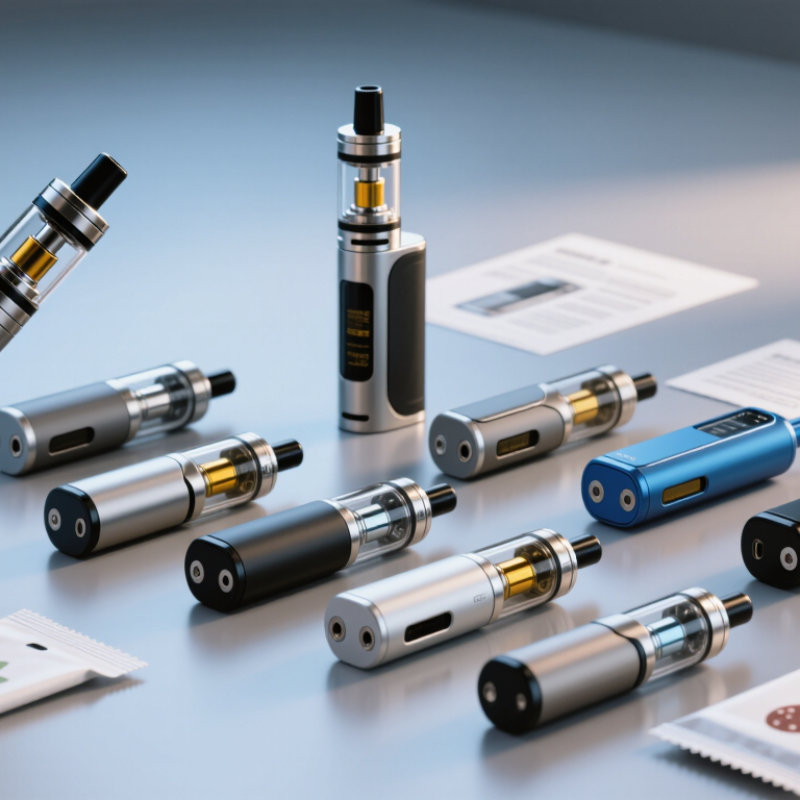
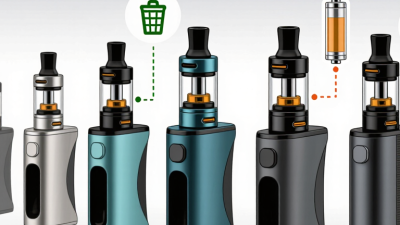
A disposable vape is a compact electronic device designed for use without routine refilling or component replacement. It typically contains a prefilled liquid reservoir, a small battery, and a heating element. When a user draws through the mouthpiece, a sensor may activate the heater, which warms the liquid into an inhalable aerosol. Some designs use a button instead. Simple on the outside. More parts inside. Products differ, so “disposable” does not always describe every feature in the same way.
The main components are the outer casing, mouthpiece, reservoir, coil, battery, and airflow channel. The reservoir holds the liquid; the coil heats it, while the airflow channel carries aerosol toward the mouthpiece. A small indicator light may show activation or battery status. These details are useful to recognize, but they do not prove a device is well made. Labels can be confusing, and advertised puff counts are estimates, not guarantees. I would check the ingredient and nicotine information carefully. Aerosol is not harmless, and nicotine can be addictive.

Track Market Trends: Disposables Reached 51.8% of U.S. Unit Sales in 2022
Disposable devices became a major part of the U.S. e-cigarette market. A 2023 CDC report, using NielsenIQ retail scanner data, found that disposables rose from 24.7% of unit sales in January 2017 to 51.8% in December 2022. That is a substantial shift. But sales share is not a safety rating, nor proof that a device suits every adult consumer.
A separate CDC and FDA report, the 2024 National Youth Tobacco Survey, estimated that 5.9% of U.S. middle and high school students currently used e-cigarettes, down from 7.7% in 2023. This measures youth use, not retail demand. Still, it underlines why age controls matter. These products are not for minors, and nicotine can be addictive.
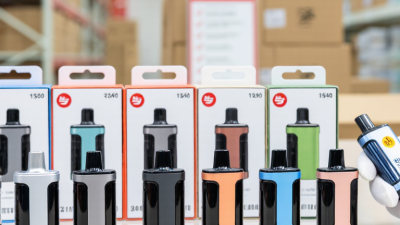
For adults comparing products where permitted, look beyond puff-count claims. Check whether the package clearly states nicotine strength, ingredients, and battery details. Inspect the seal and device for leaks or damage. Read the disposal instructions; batteries should not go into ordinary household waste. Ask how the maker supports its claims. I would treat vague labeling as a reason to pause, not as a minor flaw.
One limitation remains: sales data cannot tell us which products are reliable or how consumers actually use them.
For a 2026 disposable-vape guide, treat legality as a product-specific check, not a category label. FDA reported 34 authorized e-cigarette products by 2024. An authorization applies only to the exact product named in the agency’s records; it does not cover every device, flavor, or similarly described item. Check the FDA’s searchable tobacco-product database and confirm the precise product name and status. Small details matter.
“Authorized for marketing” does not mean risk-free or FDA-approved as a medicine. FDA review evaluates whether a product meets the legal public-health standard for marketing. It does not establish that vaping is safe. Rules and agency records can change, so verify them close to the time of purchase. I would not rely on a seller’s claim alone.
The CDC’s 2024 National Youth Tobacco Survey found that about 1.63 million U.S. middle- and high-school students reported current e-cigarette use; disposable devices were the most commonly reported type. That is a public-health warning, not a product recommendation. Adults comparing products should read labels, check nicotine information, and avoid items with unclear authorization. One caveat: FDA status can be easy to misread, and a familiar package is not proof of legality.
The FDA had authorized 34 e-cigarette products by 2024.
FDA marketing authorization applies to specific products; it is not blanket authorization for all disposable vapes.
Nicotine labels deserve more attention than flavor names. Check the stated concentration and whether it refers to nicotine per milliliter or total liquid. Those figures are not interchangeable. The National Academies’ 2018 review found that nicotine delivery varies with device design and user behavior. A printed number, therefore, cannot predict each person’s intake. Read the label carefully. If concentration or liquid volume is missing, comparison becomes guesswork.
Battery capacity, usually listed in milliamp-hours, is only one part of the picture. Voltage, power use, and coil design also affect how long a device runs. A larger capacity does not automatically mean more usable puffs. UL 8139 covers electrical systems in vaping devices, but a standard is not proof that every product has been independently tested. Look for clear charging instructions and battery details. Small print matters.
Puff counts are estimates, not a reliable measure of nicotine exposure. Longer draws and frequent use can change consumption, while battery output may fall over time. The National Academies also reported that aerosol composition varies across devices and operating conditions. Treat a large puff number cautiously. I would not compare two devices by that figure alone; it leaves out too much. A missing specification is worth noticing, even when the packaging looks polished.
| Comparison dimension | What the label or specification means | Example or interpretation | How to compare responsibly |
|---|---|---|---|
| Nicotine concentration | Usually shown as milligrams per millilitre (mg/mL) or as a percentage. | By weight/volume convention, 20 mg/mL is 2% and 50 mg/mL is 5%. Check the package’s stated units. | Do not treat a percentage and mg/mL figure as interchangeable unless the label’s convention is clear. Nicotine is addictive. |
| Total nicotine in the liquid | Liquid volume multiplied by nicotine concentration gives the nominal amount of nicotine in the liquid, not the amount absorbed. | For example, 2 mL at 20 mg/mL contains 40 mg of nicotine in the liquid. | Compare both liquid volume and concentration; concentration alone does not show total liquid nicotine. |
| Nicotine type and disclosure | Packaging may identify nicotine salts or freebase nicotine, but terminology and disclosure vary by market. | A label that does not clearly identify nicotine content or liquid volume makes comparison less reliable. | Look for legible ingredient, nicotine, manufacturer, and required warning information. Follow local rules. |
| Battery capacity | Capacity is commonly stated in milliamp-hours (mAh). It describes electrical charge capacity, not a guaranteed number of puffs. | A stated 500 mAh is a capacity rating; runtime also depends on device power, coil, and usage. | Treat capacity as comparable only when the figure is clearly disclosed and measured on a consistent basis. |
| Charging and battery safety | Some devices are rechargeable; others are not. Charging instructions and protections should be specified by the manufacturer. | A USB charging port does not by itself establish charging speed, safety certification, or battery quality. | Use only the charging method specified on the device or in its instructions. Do not use a damaged, swollen, or overheating device. |
| Advertised puff count | A manufacturer estimate, not a universally standardized measure of device life. | Actual use can differ substantially with puff duration, frequency, airflow, and device condition. | Compare puff claims cautiously. Ask whether the test method and puff duration are disclosed; do not assume equal claims mean equal use time. |
| Liquid volume and device life | The stated liquid amount is one factor affecting potential use, but it does not determine a precise puff count. | Two devices with the same liquid volume may have different battery capacity, power, and liquid consumption. | Check liquid volume alongside battery details and puff-count assumptions rather than relying on one headline number. |
| Legal limits and age restrictions | Nicotine-product rules, permitted strengths, packaging requirements, and minimum-age laws vary by jurisdiction and can change. | A product offered online may not be legal for sale or use in every location. | Check current local regulations and purchase only where legally permitted. Keep all nicotine products away from children and pets. |
| Disposal | Disposable devices contain electronic components and often a lithium battery; they should not automatically be treated as ordinary household waste. | Local collection options differ, and damaged batteries can create fire risks. | Use local e-waste or battery collection guidance. Do not burn, puncture, or place a device in a fire. |
Note: Examples illustrate how specifications are interpreted; they are not endorsements or product measurements. Vaping products contain risks, and nicotine is addictive. Non-users, minors, and people who are pregnant should not use nicotine products.
A reported 7.7% of U.S. high school students vaped in 2023. That figure deserves attention, not casual acceptance. Survey methods and definitions affect what a percentage means, so check the original source before repeating it. Still, any youth use is a serious health concern. Nicotine can cause dependence, and vaping is not risk-free.
Age safeguards matter. Retailers should verify customers’ ages, and adults should keep disposable devices locked away from children and teens. Never leave one on a kitchen counter or in a car. For adults who already use nicotine, a buying guide should prioritize clear ingredient and nicotine information, intact packaging, and instructions from a reputable health or product-safety source. Avoid devices with unclear contents, damaged seals, or missing safety details. A low price is not proof of quality.
There is no harmless shortcut here. Non-users should not start vaping, and young people should avoid it entirely. If someone experiences chest pain, breathing trouble, or severe nausea after vaping, seek medical advice promptly. Disposable devices also contain batteries; don’t put them in household recycling unless local guidance specifically allows it. That detail is easy to overlook. So is the risk of keeping a device within a teenager’s reach.