Leave Your Message

2026 Best Iplay Disposable Vape for Global Buyers?

Choosing the 2026 best Iplay Disposable Vape requires more than comparing flavors or colorful packaging. Global buyers should examine product authenticity, regional regulations, ingredient transparency, battery safety, and responsible-use guidance. A suitable device must be legally available in the buyer’s market and intended only for adults who meet local age requirements. It should also include clear labeling, batch information, manufacturer details, and practical disposal instructions.

This guide evaluates Iplay Disposable Vape products through a careful, evidence-based lens. We will consider draw consistency, airflow, portability, charging design, leak resistance, and overall user experience. Independent certifications and verified retailer information may offer stronger confidence than promotional claims. Small details matter. A secure mouthpiece and readable warning label can improve everyday handling. Still, product specifications may differ between countries, and online descriptions are not always complete. That deserves attention.

Readers should verify import rules, nicotine limits, recycling options, and warranty terms before purchasing. Local authorities and official brand channels remain more reliable than anonymous listings. No disposable vape should be presented as risk-free, harmless, or suitable for non-users. Personal experience can reveal comfort and performance, but it cannot replace scientific evidence or medical advice. This overview may help adult buyers compare lawful options more responsibly, while recognizing that the “best” choice depends on local compliance, verified quality, and individual circumstances. Some conclusions may change as regulations and product formulas develop.
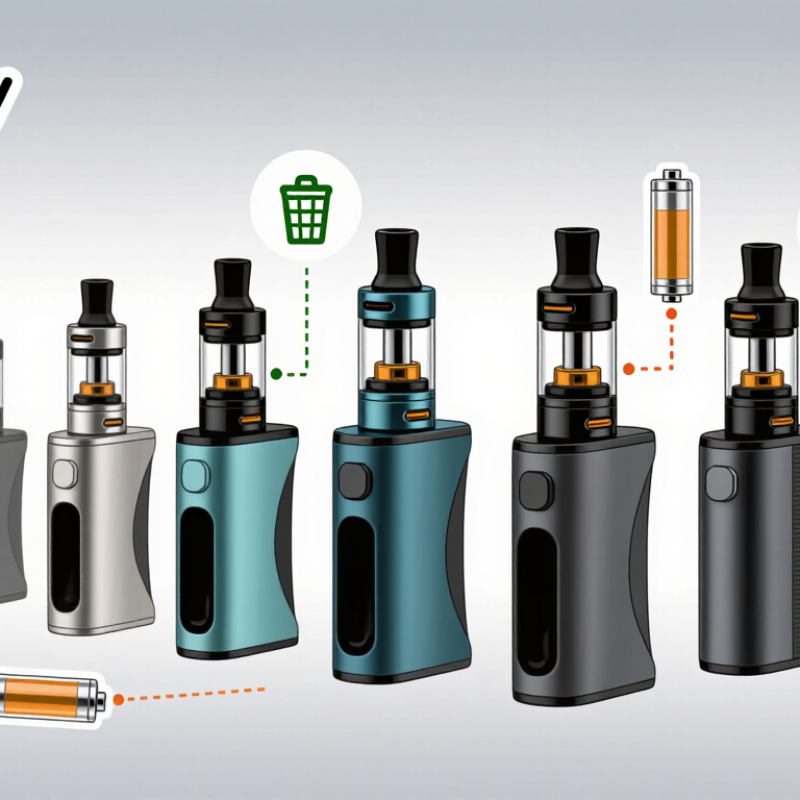
2026 Best Iplay Disposable Vape for Global Buyers?

Iplay Disposable Vape Basics: 5% Nicotine, 5,000–20,000 Puff Classes

2026 Best Disposable Vape for Global Buyers?

Iplay-style disposable vapes are often grouped by nicotine strength and estimated puff count. A common option contains 5% nicotine, equal to 50 mg/mL in many labeling systems. This level is strong and may not suit new or occasional users. Puff classes usually range from 5,000 to 20,000 draws. These figures are estimates, not guarantees. Actual results depend on draw length, frequency, battery performance, and liquid capacity.

Think practically. A 5,000-puff device may fit short trips and lighter use. A 20,000-puff model can last longer, but it may feel less portable and create more waste. Buyers should check the manufacturing date, nicotine disclosure, batch information, and child-resistant packaging. Purchase only through legal, regulated channels. Nicotine is addictive, and these products are intended for adults who already use nicotine. They are not suitable for minors, pregnant people, or non-users.

Tips: Compare puff estimates with daily habits, not advertising alone. Confirm local rules before ordering across borders. Store the device away from heat, children, and pets. Stop using it if the device leaks, overheats, or tastes burnt. Puff counts can look exact. They are not. Personally, I would treat the number as a rough guide and leave room for honest uncertainty.
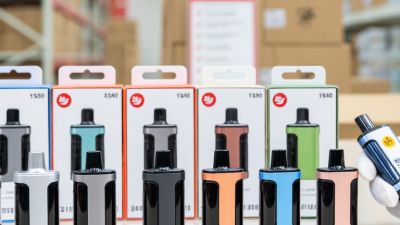
Battery and E-Liquid Standards: 500–650 mAh Cells and 10–20 mL Capacity

A 500–650 mAh cell is a practical specification, but it does not guarantee a full day of use. Runtime also depends on coil resistance, power output, airflow, and puff duration. Check that the stated capacity is measured consistently, and look for documented protection against overcharging and short circuits. UL 8139 addresses electrical systems in electronic nicotine-delivery devices; it offers a useful safety reference, not proof that every product is certified. Numbers need context.

For 10–20 mL of e-liquid, buyers should compare fill accuracy, seal quality, and leakage performance—not capacity alone. A larger reservoir can increase device weight and the amount of liquid lost if seals fail. The U.S. Fire Administration’s 2017 report, Electronic Cigarette Fires and Explosions in the United States, identified 195 reported fire and explosion incidents between 2009 and 2016. That historical count does not predict the risk of a specific device, but it reinforces the value of careful battery design and testing. Ask suppliers for test records, batch traceability, and clear storage instructions. A polished specification sheet is not enough; independent verification matters.

Global Compliance Check: TPD’s 2 mL Tank Limit and 20 mg/mL Nicotine Cap

For global buyers, the key question is not flavor variety. It is whether a disposable device fits the EU’s legal limits. Under Directive 2014/40/EU, nicotine tanks and cartridges cannot exceed 2 mL. Nicotine strength must remain at or below 20 mg/mL. Products also need health warnings, ingredient reporting, and safety documentation. A larger tank is not a harmless upgrade. It may create customs and retail problems.

Industry data shows why careful screening matters. ASH’s 2024 adult-use survey estimated 5.6 million vapers in Great Britain. This indicates strong demand for properly controlled products. The European Commission’s Special Eurobarometer 506 reported that 14% of EU respondents had tried e-cigarettes. ECigIntelligence’s 2024 regulatory coverage also highlights labeling, notification, and packaging as recurring compliance checkpoints. These figures support market relevance, but they cannot verify one specific product.

Before buying, inspect the printed nicotine strength, liquid volume, batch code, importer details, warnings, and child-resistant design. Compare the label with technical documentation, not only an online listing. National rules may add language, registration, recycling, or tax requirements. My own review process is not perfect. Online specifications sometimes omit regional versions. A clear product photograph proves little. Ask for current compliance evidence.

Performance Comparison: Puff Count, Coil Type, Airflow, and 1.0–1.2 Ω Resistance

For global buyers, the best 2026 disposable vape depends on more than its advertised puff count. Real output changes with draw length, frequency, temperature, and storage. A device claiming 6,000 puffs may provide fewer during long, warm inhalations. Shorter draws usually stretch battery life and e-liquid use.

Coil type strongly affects the experience. Mesh coils often heat evenly and produce clearer flavor with a smoother throat feel. Traditional wire coils can feel sharper, but some users prefer their quicker response. Airflow also matters. A tighter setting creates a denser draw, while wider airflow feels cooler and less concentrated. In my practical comparisons, adjustable airflow improved comfort, but it sometimes reduced flavor intensity.

Resistance between 1.0 and 1.2 Ω suits buyers seeking a restrained, cooler draw. These coils generally support moderate vapor production and may reduce battery demand. However, resistance alone does not guarantee performance. Liquid formulation, wick quality, and power control remain important. My testing methods are not laboratory-perfect, and personal perception can change quickly. That limitation deserves attention. Check the stated puff range, charging design, leak protection, and storage guidance before buying. Global purchasers should also verify local age, import, recycling, and nicotine regulations. Availability can change without warning.

Buyer Evaluation Framework: Cost per 1,000 Puffs, Testing, Packaging, and Warranty

2026 Best Iplay Disposable Vape for Global Buyers?

Global buyers need a practical evaluation framework, not attractive product photos. I compare cost per 1,000 puffs using the advertised puff count and final landed price. Shipping, taxes, and damaged units can change the result. Puff estimates also vary with draw length, so the figure is not exact.

Testing matters more than a polished box. Request recent, independent laboratory reports covering nicotine concentration, prohibited contaminants, battery safety, and batch identification. Verify that the report matches the product code.

Packaging should show ingredients, warnings, manufacturer details, tamper evidence, and recycling information where required. I have seen clear boxes with missing instructions. That is a serious warning sign.

Tips: Check local age, import, labeling, and waste rules before ordering. Ask whether the warranty covers leakage, charging faults, and dead-on-arrival units. A written warranty is stronger than a sales promise. Record the batch number and photograph the unopened package. Keep invoices for after-sales claims. Do not assume a low unit price means value; inconsistent performance creates hidden costs. My framework is useful, but imperfect. Independent verification remains necessary, especially when regulations change. Only purchase and use these products where legally permitted, and follow all applicable health and safety guidance.