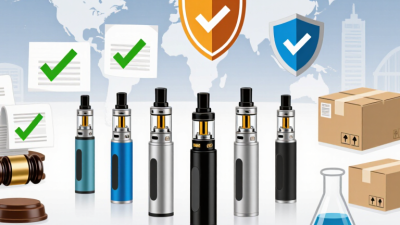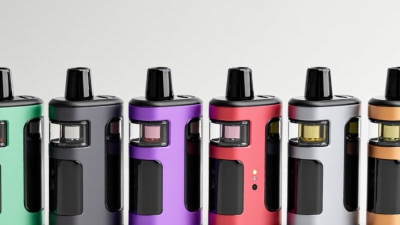
Global wholesale buying is changing fast, and Cloud Vape Disposable products now require more than attractive packaging. Grand View Research valued the global e-cigarette market at approximately US$28.2 billion in 2023. Its report also projects strong growth through 2030. Market size alone proves nothing.
A serious buyer must examine supplier experience, product consistency, documentation, and destination-market rules. The World Health Organization continues to warn that regulatory approaches differ widely between countries. Therefore, a wholesale order should begin with a compliance checklist, not a price sheet. Confirm ingredient records, batch identification, safety testing, packaging language, age restrictions, and import requirements. Ask for samples from different production batches. Compare airflow, charging stability, seal quality, and printed information under real warehouse conditions.
Dr. Konstantinos Farsalinos, a recognized tobacco-harm-reduction researcher, has stated, “The health effects of e-cigarettes are expected to be much less harmful than those of smoking.” That statement does not remove the need for careful controls. It reinforces the importance of accurate claims and responsible sourcing. Buyers should also review supplier audits, recall procedures, and transparent communication channels. A low quotation can hide expensive problems.
Not every popular product is dependable.
This guide presents seven practical tips for global Cloud Vape Disposable wholesale buying. It covers supplier verification, legal screening, quality inspection, logistics planning, pricing, and after-sales support. Some recommendations may feel obvious. They are still often missed. The uncomfortable truth is simple: even experienced buyers can approve a shipment too quickly.
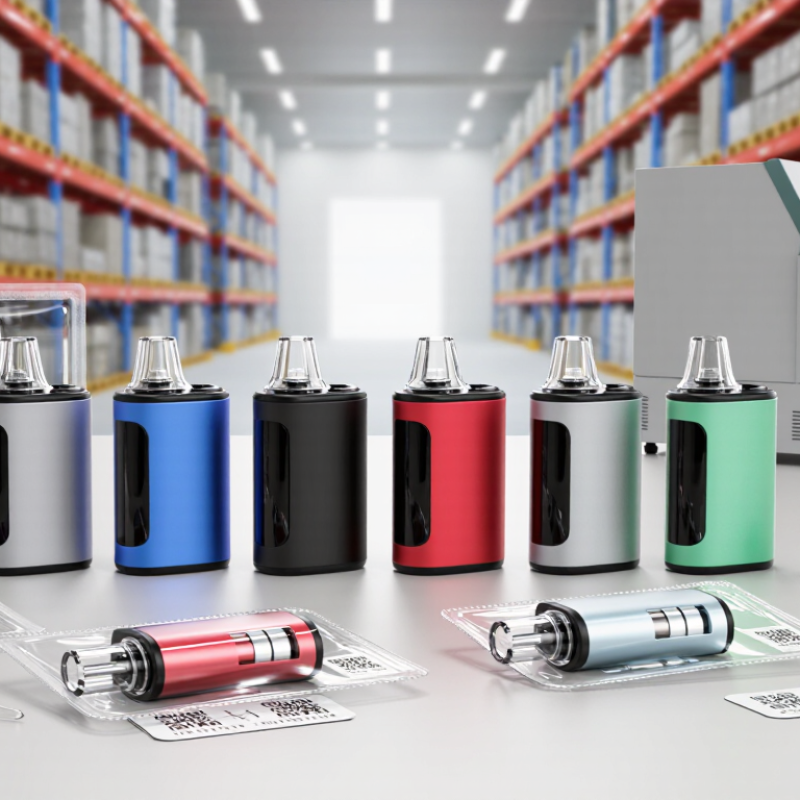
7 Tips for Global Cloud Vape Disposable Wholesale Buying
Understanding the Global Disposable Vape Wholesale Market
Global disposable vape wholesale buying is not simply a price exercise. The market connects manufacturers, distributors, customs agents, retailers, and adult consumers across different regulatory systems. A product accepted in one country may require different labeling, packaging, or testing elsewhere. Buyers should verify nicotine rules, age restrictions, battery requirements, recycling duties, and import documents before placing a large order. Rules change. Check them again.
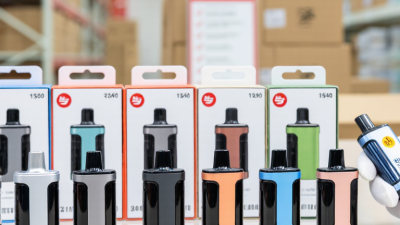
Reliable suppliers should provide batch records, ingredient disclosures, safety data, laboratory reports, and traceable production details. Ask who performed each test and when. Independent verification matters more than polished product photos. Sample units can reveal airflow consistency, charging behavior, seal quality, and leakage during transport. Keep samples for comparison. Small defects become expensive at scale.
Wholesale calculations should include freight, duties, storage, rejected units, compliance reviews, and local taxes. A low unit price can hide high landed costs. Use written specifications for device capacity, shelf life, packaging language, and acceptable defect rates. Build age-verification procedures into retail channels, not as an afterthought. Even careful forecasts miss seasonal demand or customs delays. That is normal, but unexplained assumptions deserve review. Ethical sourcing also means avoiding unverified claims and refusing products that cannot meet destination-market requirements.

Nicotine concentration limits are an important compliance checkpoint when sourcing disposable vaping products internationally. The European Union and the United Kingdom limit consumer e-liquid nicotine strength to 20 mg/mL, while Canada limits vaping substances to 66 mg/mL. Wholesale buyers should verify the destination market, product labeling, packaging, tax obligations, and import requirements before placing an order.
Sources: European Union Tobacco Products Directive 2014/40/EU; UK Government consumer e-cigarette regulations; Health Canada vaping product regulations.
Compliance must start before any purchase order. The WHO Report on the Global Tobacco Epidemic 2023 notes that 88 countries lack a minimum purchase age for electronic nicotine products. Rules remain fragmented and change frequently. Build a destination-specific compliance file, not one global assumption.
Request product composition, nicotine concentration, batch numbers, toxicology documents, and authorized laboratory reports. Confirm child-resistant packaging, leakage resistance, warnings, and traceability. For battery devices, request UN 38.3 transport-test evidence and relevant IEC 62133-2 documents where applicable. These files must match the exact model and factory batch. A generic certificate is a warning sign. The EU Tobacco Products Directive, for example, limits nicotine liquid to 20 mg/ml and requires pre-market notification. Other markets may impose stricter rules or prohibit sales entirely.
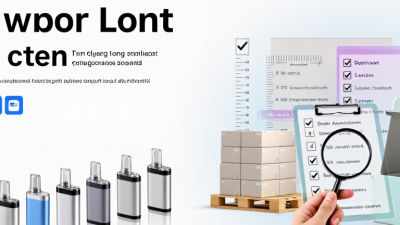
Import control needs equal attention. Verify customs classification, importer registration, excise obligations, language requirements, and approved shipping channels. IATA’s Dangerous Goods Regulations classify lithium batteries as regulated air cargo. Packaging and documentation conditions apply. Keep invoices, safety data sheets, test reports, and retained samples together. A barcode scan proves little. A sealed carton proves less. One common mistake is trusting a complete-looking compliance folder too quickly. Missing local-language warnings can delay clearance. Independent inspection before shipment is usually cheaper than a rejected container. Recheck every shipment, because regulations and formulations can change.
Supplier evaluation should begin with verifiable records, not attractive pricing. Ask for business licenses, factory addresses, quality certificates, and recent audit reports. A reliable supplier can explain material sources, assembly controls, and testing procedures clearly. Request samples from several production batches, not only polished showroom units. Check airflow, seal quality, charging performance, labeling, and flavor consistency. Small details matter. Independent laboratory reports should identify tested substances, detection limits, batch numbers, and test dates. Do not accept unsigned documents or vague claims about compliance.
Manufacturing capacity also deserves careful checking. Review monthly output, equipment lists, staffing levels, quality-control stations, and backup production plans. A large stated capacity may not reflect available capacity during peak seasons. Ask how defects are recorded and resolved. Traceable batch codes, retention samples, and documented inspections improve accountability.
Product specifications should remain stable after scale-up, although this is where many buyers become too optimistic. A trial order can reveal packing errors, delayed replies, or uneven units before a larger commitment.
Destination-market rules must guide every purchase. Confirm age restrictions, ingredient requirements, packaging language, recycling duties, and import documentation with qualified local professionals. Avoid suppliers that suggest bypassing inspections or changing labels after shipment. Clear contracts should cover tolerances, rejected goods, delivery terms, and corrective actions. A practical review should include factory video calls and, when possible, an independent site inspection. Trust develops slowly. That is acceptable. Reliable wholesale buying depends on evidence, consistent quality, and capacity that can be demonstrated rather than promised.
7 Tips for Global Cloud Vape Disposable Wholesale Buying
Compare the landed cost, not just the factory price. Add packaging, inspection, insurance, customs charges, and local taxes. A low unit price can become expensive after delivery. Ask for a written quotation with currency, validity period, and product specifications. Request compliance documents required in your destination market. Regulations differ widely, especially for ingredients, labeling, batteries, and age-restricted sales. Verify every document with an independent specialist. I once trusted a neat spreadsheet too quickly. That was careless.
Minimum order quantities need practical testing. A large order may reduce the price, but it can trap cash in slow inventory. Negotiate a smaller trial shipment, even if the unit cost rises slightly. Check production capacity, batch consistency, and replacement terms. Shipping details matter too. Confirm lead time, carton dimensions, tracking, insurance, and the agreed delivery responsibility. Delays happen. Build a buffer.
Payment terms deserve equal attention. Safer arrangements may include staged payments linked to inspection or shipping milestones. Confirm bank details through a separate contact channel before transferring funds. Avoid pressure to use unclear payment methods or personal accounts. Review transaction limits, refund procedures, and currency conversion fees with your financial provider. Written terms prevent many disputes, although they cannot fix every poor decision. Keep records of quotations, approvals, inspection results, and communications.
| Tip | Comparison Dimension | Practical Buying Benchmark | Typical Wholesale Range | Key Questions to Ask | Risk-Control Action |
|---|---|---|---|---|---|
| 1 | Compare like-for-like specifications | Compare products with the same nicotine strength, e-liquid volume, battery capacity, puff rating, packaging level, and compliance documentation. | Indicative factory-level pricing: US$2.00–US$6.00 per unit for many standard disposable configurations, before freight, taxes, and duties. | Is the quoted price based on the same puff estimate, liquid volume, nicotine concentration, and packaging requirements? | Request a written specification sheet and a landed-cost quotation rather than comparing unit prices alone. |
| 2 | Evaluate minimum order quantities | Standard stock orders generally require fewer units than customized orders with private packaging, special flavors, or custom hardware. | Common indicative MOQ: 500–5,000 units for standard products; 5,000–20,000+ units for extensive customization. | Does the MOQ apply per flavor, per nicotine strength, per color, or to the entire order? | Start with a smaller mixed-SKU test order where permitted, and confirm the treatment of unused packaging materials. |
| 3 | Calculate shipping by destination and Incoterm | Air freight is usually faster but more expensive; ocean freight can reduce cost for larger consignments but normally requires longer planning. | Typical planning windows: air freight about 5–15 business days; ocean freight about 25–50 days, excluding customs delays. | Is the offer EXW, FOB, CIF, DDP, or another Incoterm? Who handles customs clearance, duties, and last-mile delivery? | Obtain freight quotes using the actual carton count, gross weight, dimensions, battery details, and destination address. |
| 4 | Review payment terms carefully | New buyers are commonly asked for a deposit before production, with the balance due before shipment or against agreed shipping documents. | A frequently used commercial structure is 30% deposit and 70% balance; exact terms vary by supplier, order size, and buyer history. | Are payment fees, currency-conversion charges, refunds, and balance-payment conditions clearly stated in the pro forma invoice? | Use a traceable business payment method, verify beneficiary details independently, and avoid changing bank instructions by unverified email alone. |
| 5 | Verify regulatory and market eligibility | Requirements differ by destination and may include product notification, health warnings, nicotine limits, packaging rules, labeling, age restrictions, and excise obligations. | Compliance, testing, registration, and tax costs are separate from the factory unit price and can materially change the final margin. | Can the supplier provide current test reports, ingredient information, batch records, safety data, and market-specific labels? | Confirm requirements with the destination customs authority and a qualified local compliance adviser before placing a commercial order. |
| 6 | Inspect quality and consistency | Check leakage, draw activation, battery performance, charging behavior where applicable, flavor consistency, packaging accuracy, and batch traceability. | A pre-shipment inspection is commonly scheduled after production and before the balance payment; inspection fees depend on scope and location. | What acceptance criteria, defect threshold, replacement policy, and warranty period are included in the sales contract? | Approve a reference sample, define measurable quality standards, and retain batch samples and inspection records. |
| 7 | Compare total landed cost and cash flow | Total cost should include product, packaging, inland transport, freight, insurance, customs duties, excise taxes, broker fees, warehousing, inspection, and payment charges. | A low quoted unit price may be offset by higher freight, duties, compliance expenses, higher MOQs, or slower inventory turnover. | What is the estimated landed cost per sellable unit after damaged goods, samples, taxes, and unsold inventory are considered? | Build a landed-cost model and compare at least three quotations using identical specifications, quantities, Incoterms, and delivery assumptions. |
Important: Price, MOQ, freight time, payment terms, taxes, and import restrictions are indicative planning ranges only. Actual figures vary by product specification, order volume, destination, carrier, season, customs rules, and applicable tobacco or nicotine regulations. Confirm all commercial and legal details in writing before ordering.
Tip: Build inventory around verified demand, not optimistic forecasts. Track weekly sell-through, aging stock, and damaged units by market. Start with a controlled wholesale order. Large purchases can create cash pressure and storage problems. Keep safety documentation, batch numbers, and certificates organized. Requirements differ across countries, so review local rules before shipping age-restricted products. My early forecasts have been wrong before. A small pilot often reveals more than a polished spreadsheet.
Tip: Treat branding as a compliance task, not decoration. Use clear labeling, responsible language, and packaging suitable for the legal market. Avoid youth-oriented colors, cartoon imagery, or unverified health claims. Check nicotine statements, ingredient details, warnings, and recycling information with qualified local advisers. Branding should remain consistent across cartons, product pages, and invoices. Small wording errors can delay customs clearance or damage buyer confidence.
Tip: Plan distribution with real delivery conditions in mind. Confirm warehouse temperatures, battery-handling procedures, insurance, tracking, and return processes. Give each regional partner written specifications and a contact for urgent issues. Ask suppliers for production schedules, quality-control records, replacement policies, and notice of material changes. Reliable relationships require regular reviews, not only messages when something goes wrong. Still, trust needs evidence. Compare samples against later shipments, record discrepancies, and renegotiate when service quality falls.