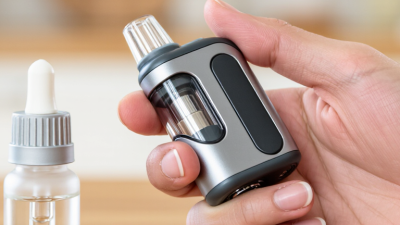
China’s manufacturing landscape includes suppliers offering compact, refillable pod devices designed for repeated use with replaceable or refillable components. A Refillable Disposable Pod System may sound simple, but its performance depends on small engineering choices. Think of the seal around the pod, the feel of the filling port, and whether the battery output remains consistent. These details shape reliability, leakage resistance, and product experience.
This introduction examines how buyers can compare Chinese manufacturers without relying on promotional claims alone. Useful checks include documented quality controls, component traceability, battery and material testing, production consistency, and clear after-sales support. Joseph M. Juran, a respected quality-management expert, offered a principle relevant to manufacturing: “Quality does not happen by accident. It must be planned.” For this product category, that means asking what evidence supports a supplier’s quality claims. A polished sample is not enough.
The comparison also considers communication, customization, and the clarity of technical specifications. Buyers should verify details directly with each manufacturer, since product terminology and test documentation can vary. There are limits to any overview: factory information may change, and comparable public data is not always available. Worth remembering. A lower quoted price may conceal differences in materials, testing, or support. This guide therefore treats supplier selection as a careful evaluation, not a ranking based on appearance alone.
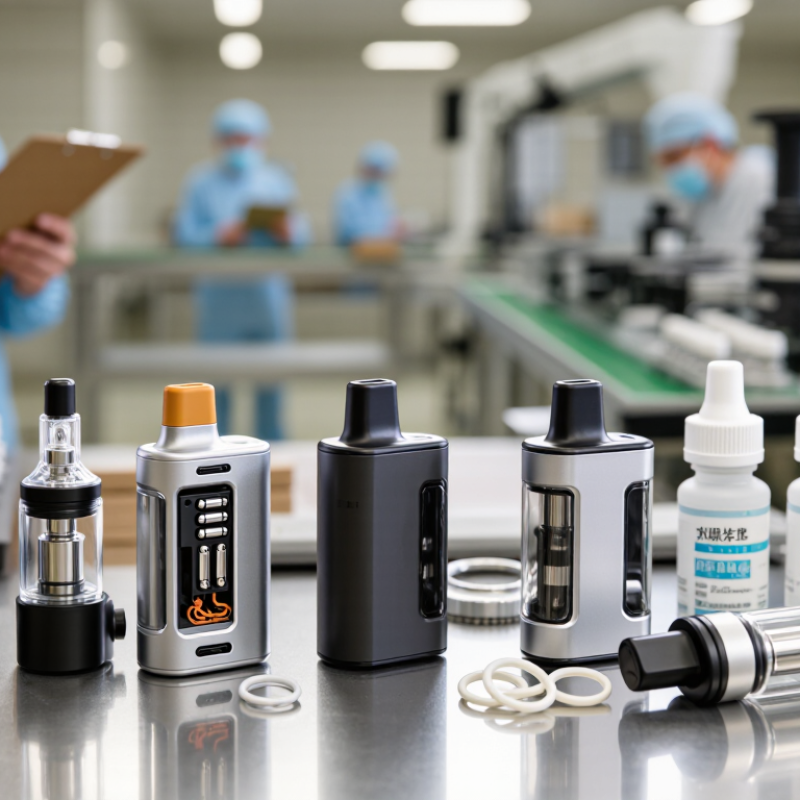
A refillable disposable pod system is a hybrid term, not a universally standardized device category. It usually describes a compact battery-powered unit with a pod or small reservoir that can be refilled, while some components may still be discarded and replaced. A typical setup includes a rechargeable battery, heating coil, mouthpiece, and liquid chamber. The pod clicks into place; airflow then carries aerosol through the mouthpiece. “Disposable” can refer to the pod, not necessarily the whole device.
The distinction matters. A sealed disposable is generally designed to be discarded when its liquid runs out or its battery stops working. A refillable pod system allows users to add liquid to a compatible reservoir, but the pod, coil, or other parts may still require replacement. The terminology is imperfect. Product descriptions should state clearly which components are refillable, rechargeable, or single-use.
Scale and terminology matter for manufacturers, too. A CDC report on the 2023 National Youth Tobacco Survey found that 2.13 million US middle and high school students currently used e-cigarettes; 60.7% of those users reported disposable products. That figure describes youth use, not device quality or safety. It shows why clear product definitions and responsible audience safeguards deserve careful attention.
Refillable designs also need practical checks, such as leak resistance, secure pod fit, and legible refill markings. Small details count.
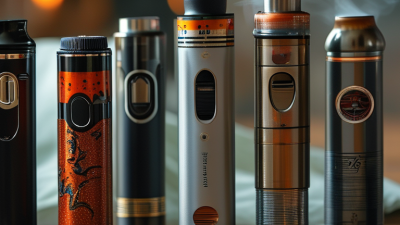
China’s manufacturing process for refillable disposable pod systems usually begins with a product brief. Engineers define the device’s size, refill method, expected service life, and safety requirements. They then create drawings and prototypes to check fit and handling. Small details matter: a cap should open cleanly, and the pod should sit firmly without wobbling.
Once the design is approved, factories source the housing, seals, battery, and heating components from qualified suppliers. Plastic parts are typically made with precision molds, then inspected for rough edges or uneven dimensions. Assembly may combine automated equipment with manual checks. A technician might inspect a seal under bright light; a tiny gap can cause leakage. Not glamorous work.
Quality control should cover charging behavior, airflow, refill access, and leakage under ordinary handling. Samples are checked across production batches, with results recorded for traceability. Requirements can vary by destination, so manufacturers need current technical and compliance reviews before shipping. No process is perfect. A weak point can still escape inspection, which is why factories should investigate returns and adjust their checks rather than assume every unit performs identically.
When comparing Chinese manufacturers of refillable disposable pod systems, focus on verifiable specifications, not polished brochures. Request pod capacity, coil resistance, output range, and documented leak-test results. Ask how suppliers check airflow consistency and sealing after repeated refills. A clear test protocol matters. Test it.
Inspect battery-cell traceability and ask for independent test reports covering temperature, overcharge, and short-circuit performance. Compare batch records, defect rates, and how factories investigate failures. One sample is not enough; request results from several production batches. Small variations can change heating and draw feel.
Material choices deserve equal attention. The Global E-waste Monitor 2024 reports that 62 million tonnes of e-waste were generated worldwide in 2022, with only 22.3% documented as formally collected and recycled. Ask manufacturers to identify pod and housing materials, provide disassembly guidance, and explain any recovery options. Their answers may be incomplete, so verify claims with documents and physical samples. A neat finish alone proves little.
EU TPD liquid-volume limits provide a practical compliance benchmark when comparing pod and refill-system designs.
The chart shows EU TPD maximum volumes: 2 mL for cartridges, tanks, and single-use e-cigarettes, and 10 mL for refill containers. These are regulatory limits, not manufacturer averages or product specifications. Confirm target-market compliance and supporting documentation with each supplier. Source: EU Directive 2014/40/EU, Article 20(3)(a).
Evaluating a manufacturer takes more than reviewing a polished catalog. Ask how incoming materials are checked and how each production batch is recorded. Reliable suppliers should explain their inspection process, provide traceable quality records, and show how they manage design or material changes. For pod systems, request documented checks for leakage, fit, electrical performance, and battery protection. These details matter more than broad claims about “premium quality.”
Consistency is another useful test. Compare samples from different production batches, checking seals, connections, and finish under the same conditions. Ask about production capacity, realistic lead times, and how defects or delivery delays are handled. A clear corrective-action process is a stronger signal than a promise that problems never happen. Review relevant test reports and confirm that products meet applicable requirements in your destination market. Some paperwork looks impressive but says little; verify what was actually tested.
Tips: Request a sample inspection plan, batch traceability examples, and written change-control procedures. Ask who handles complaints and what response time to expect. Keep notes. A checklist helps, but it cannot replace careful follow-up. Small gaps matter.
For China-based manufacturers, export planning begins with the destination market, not the shipping carton. A refillable disposable pod system may be classified differently across markets. Before accepting an order, check product registration, ingredient disclosures, packaging rules, sales restrictions, and applicable age controls. Requirements change. Do not treat one market’s clearance as approval elsewhere. Keep dated records of regulatory checks and ask qualified local advisers to confirm uncertain points.
Product files should match the goods being shipped. Maintain current test reports, component specifications, batch records, and clear labeling artwork. For systems containing batteries, confirm current transport documentation and carrier requirements before booking freight. Customs descriptions and invoices should accurately reflect the product and its components. A spreadsheet may look complete while a translated warning reads awkwardly; that detail deserves another review. Small inconsistencies can delay a shipment.
Tips: Keep one checklist for each destination. Recheck rules before every production run. Save the approved label version with the order file. If a requirement is unclear, pause and verify it with a qualified compliance professional.