Why Choose Refillable Disposable Vape Pods?
Why Choose Refillable Disposable Vape Pods? The answer is less simple than the name suggests. A Refillable Disposable Vape Pod combines a compact, familiar format with a refillable chamber. This design may reduce frequent device disposal, but it can also create confusion about safety, maintenance, and legal use.
Dr. Michael Siegel, a tobacco-harm researcher, has stated, “Vaping is not harmless, but it is much safer than smoking.” His comment offers useful context, not a sales promise. Adult consumers should examine battery quality, leak protection, ingredient transparency, and manufacturer instructions. Local regulations also matter. Some regions restrict nicotine products, refill containers, or flavored formulations.
The practical appeal is easy to picture. A user fills the pod, checks the seal, and carries it through a normal day. Less packaging may follow. Yet convenience can hide problems. Repeated refilling may wear the seal, darken the coil, or cause liquid leakage near electronic contacts. That detail deserves more attention.
Not every refillable design is automatically sustainable. Not every low-cost pod is well engineered. These points are uncomfortable, but they are important. Consumers should never modify damaged batteries or use unverified liquids. They should also keep products away from children and pets.
This introduction will examine cost, waste reduction, flavor consistency, maintenance, and safety limitations. It will compare refillable systems with conventional single-use options. The discussion will remain evidence-led and practical. A better choice depends on responsible design, verified information, and lawful adult use—not marketing language alone.
Defining Refillable Disposable Pods: Parts, Terms, and Operating Cycle
Why Choose Refillable Disposable Vape Pods?
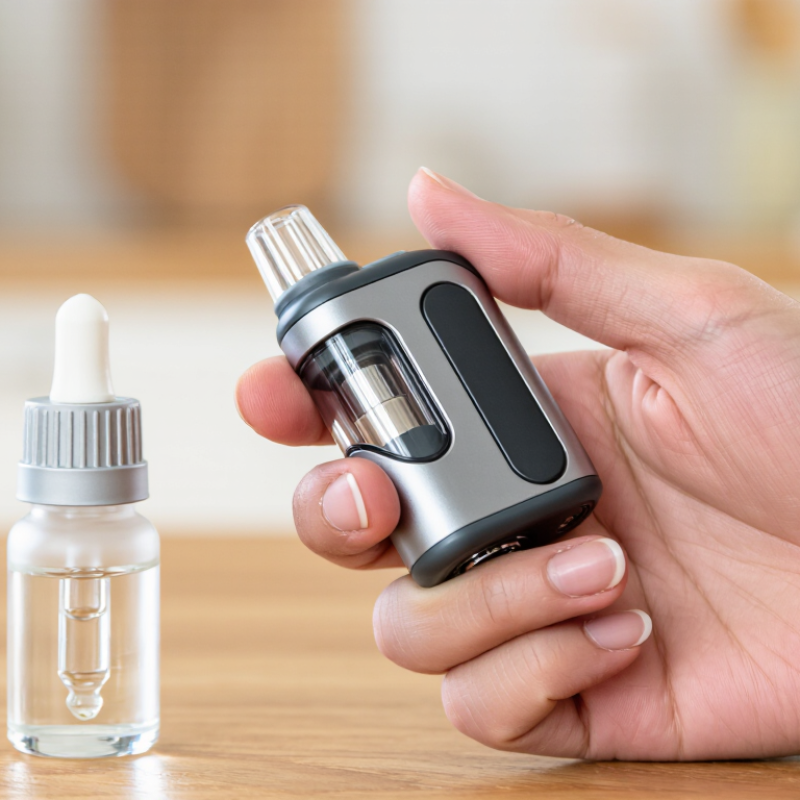
Refillable disposable pods combine a small pod, heating coil, mouthpiece, battery, and airflow channel. The term sounds contradictory. “Disposable” usually describes the device’s limited lifespan, not a single-use refill system. “Refillable” means the liquid chamber can be filled again when empty. In practical use, check the pod design before buying. Some chambers open with a silicone plug, while others are sealed permanently. That difference matters.
The operating cycle is simple. Add suitable e-liquid without exceeding the fill line. Let the coil absorb it for several minutes. When activated, the battery powers the coil, which heats the liquid and produces an aerosol. The airflow sensor or button controls this process. A weak taste may indicate low liquid, a worn coil, or a nearly empty battery. I have found that rushing the first use can cause a dry, burnt taste. That small mistake is easy to overlook.
Tips: Keep the mouthpiece clean and store the device upright. Do not force liquid into the airflow opening. Stop using the pod if it leaks, becomes unusually hot, or shows physical damage. Never open the battery compartment. Follow the supplied instructions and local age, safety, and recycling requirements. Refillable does not mean permanent. Waste still needs responsible handling.
Environmental Context: UK Discarded 5 Million Disposables Weekly in 2022
Why Choose Refillable Disposable Vape Pods?
The UK’s waste figures make disposable vaping difficult to ignore. Material Focus reported that around 5 million single-use vapes were discarded weekly in 2023. Its earlier 2022 estimate was closer to 1.3 million weekly. The figures are often confused, but both show rapid growth. Each discarded device can contain plastic, electronic parts, and a lithium battery. These materials are not ordinary household rubbish. They need suitable recycling routes.
Refillable pod systems can reduce the number of complete devices thrown away. Users replace the liquid container or coil, rather than discarding the battery housing each time. This may lower material use over repeated cycles. It does not make vaping waste-free. Poor maintenance, leakage, and premature disposal still create environmental costs. The UK Waste Electrical and Electronic Equipment guidance also treats these products as electrical waste, not general refuse. More consistent collection data would improve comparisons. That gap deserves attention.
Tips: Choose a durable refillable system with replaceable parts. Follow the manufacturer’s care instructions. Keep used batteries and devices away from household bins. Use local electrical-waste collection points where available. Buy only the amount you can use responsibly. Small changes matter, although the evidence is still developing.
Cost Analysis: Refill Frequency Versus Single-Use Pod Purchases
Why Choose Refillable Disposable Vape Pods?
Cost often drives the choice between refillable pods and single-use purchases. Consider a simple monthly estimate. A refillable device may cost $20, while a 30-milliliter bottle costs $12. If usage reaches 2 milliliters daily, liquid costs about $24 monthly. The first month totals roughly $44 before replacement parts.
A single-use pod priced at $8 might last three days. Ten pods could cost about $80 each month. Under these assumptions, refilling saves approximately $36 monthly after the initial device purchase. The calculation changes with local prices, personal usage, and pod lifespan. Keep receipts for one month. Real spending is easier to judge than memory.
There are less visible costs. Refillable pods may need coils, seals, or replacement cartridges. Leaks can waste liquid and damage a pocket or bag. Cleaning also takes a few minutes each week. Small costs add up.
Single-use pods offer convenience, but frequent purchases create more packaging waste and repeated checkout trips. Refillable systems require careful storage and regular inspection.
A burnt taste, damaged seal, or unusual heat means the pod should not be used.
This comparison is imperfect. Usage habits vary more than most estimates suggest.
Safety and Regulation: FDA Reported 2.13 Million U.S. Student Users in 2023
Why Choose Refillable Disposable Vape Pods?
The phrase “refillable disposable” deserves scrutiny. Disposable devices are generally designed for one-time use, while refillable pods require repeated handling. That difference affects safety, waste, and regulation. A refillable format may reduce discarded hardware, but it is not automatically safer. Leaks, incorrect filling, damaged seals, and uncontrolled nicotine exposure remain practical risks.
The FDA and CDC’s 2023 National Youth Tobacco Survey reported 2.13 million U.S. middle and high school students currently used e-cigarettes. About 410,000 were middle school students, while roughly 1.72 million were high school students. The survey also found that most youth users preferred flavored products. These numbers make age controls, clear labeling, and responsible storage essential. Keep pods away from children. Always.
For legal-age adult users, a regulated refillable pod may offer more control over liquid selection and less frequent hardware disposal. However, users should check nicotine strength, tamper-resistant packaging, ingredient information, and local compliance requirements. The FDA states that no tobacco product is safe, and nicotine can cause dependence. Personal experience also shows a weakness: convenience can encourage more frequent use. That possibility should not be ignored. Industry claims about savings or sustainability need independent testing, because reduced waste does not prove reduced health risk.
Selection Criteria: Capacity, Coil Life, Battery, Leakage, and Recycling
Why Choose Refillable Disposable Vape Pods?
Capacity should match your daily routine, not simply look impressive on the package. A larger pod needs fewer refills, but it may feel heavier in a pocket. Small pods are easier to carry and monitor. Check whether the stated capacity reflects usable liquid, not only the internal chamber size. Local rules may also limit capacity or nicotine content.
Coil life affects taste, cost, and waste. Look for clear guidance on compatible liquids, power settings, and replacement intervals. Burnt taste, muted flavor, or unusual warmth can signal a worn coil. Do not keep using it. Battery performance matters too. A stable battery should provide consistent output without swelling, overheating, or sudden shutdowns. Charging protection and a visible battery indicator are practical safety features. Never charge a damaged device unattended.
Leakage is often the most frustrating issue. Inspect the pod seal, mouthpiece, and connection area before buying. Store the device upright and away from high heat. Refillable designs can reduce packaging waste, but they still create used coils, pods, and batteries. Those parts should go to an approved recycling or electronic-waste collection point, where available. Do not place lithium batteries in household trash. My own judgment here is not perfect; real performance changes with storage, liquid thickness, and refill habits. A transparent warranty and accessible safety information deserve more trust than glossy claims.
The chart presents a practical evaluation weighting for refillable disposable vape pods. Battery reliability and leakage control receive the highest weight because they directly affect usability and safety. Capacity should be checked against local regulations; for example, nicotine-containing tank or cartridge capacity is limited to 2 mL in the EU under the Tobacco Products Directive. Typical pod batteries are commonly rated around 400–650 mAh, while coil service life often varies widely with liquid composition, power level, and usage. Used pods should be handled as electronic waste because they may contain lithium batteries and residual e-liquid.