

Leave Your Message
A Refillable Disposable Pod System sounds contradictory. It combines a lightweight, preassembled body with a refillable pod, creating a hybrid between convenience and continued use. This design usually includes a battery, coil, mouthpiece, and small e-liquid chamber. Users fill the pod through a sealed opening or silicone port. The process resembles filling a tiny bottle beside a phone charger.
The concept has attracted attention because it may reduce repeated device disposal. However, the environmental benefit depends on construction, refill frequency, battery life, and proper recycling. It is not automatically sustainable. The device still contains electronic components and may require careful handling. Small leaks can also affect clothing, bags, or charging surfaces. These practical details matter more than attractive packaging.
Dr. Konstantinos Farsalinos, a cardiologist and tobacco-harm-reduction researcher, has stated, “The available evidence to date indicates that e-cigarettes are much safer than tobacco cigarettes.” His comment supports risk comparison, not a claim of complete safety. A Refillable Disposable Pod System should therefore be discussed with precision. It is not a medical product or a harmless lifestyle accessory. Product quality, ingredient transparency, age restrictions, and local regulations remain essential. Some users may value its simple design. Others may question its waste, maintenance, or unclear product labeling. That uncertainty deserves attention. This guide examines how the system works, what its name really means, and where its practical limits appear. It also considers responsible use without promoting prohibited substances or ignoring public-health concerns.
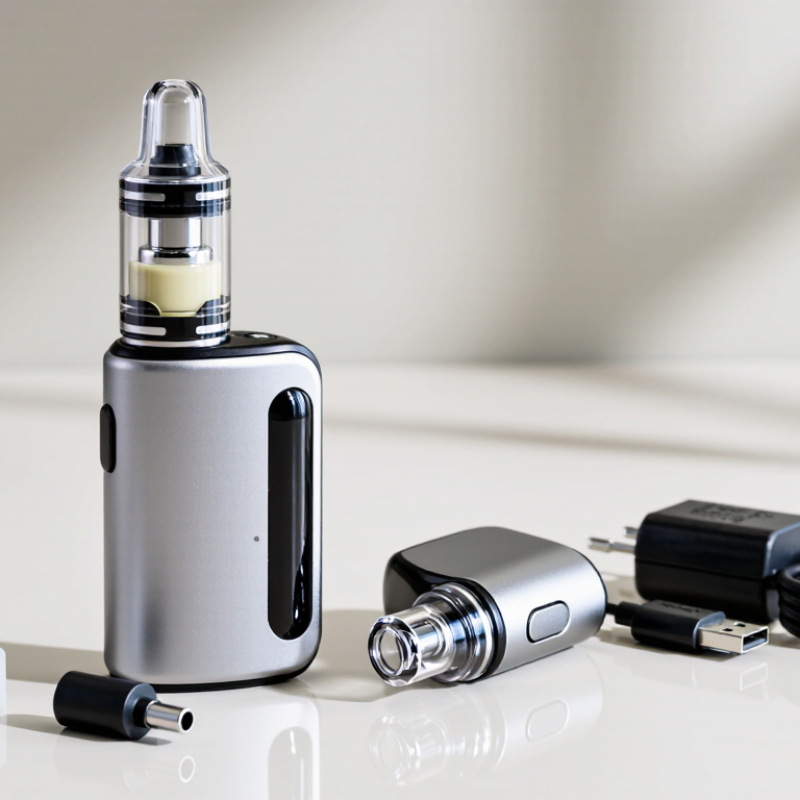
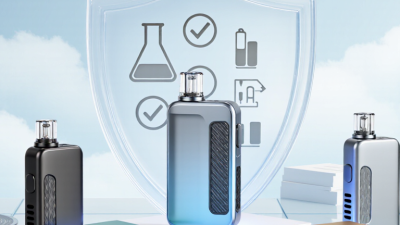
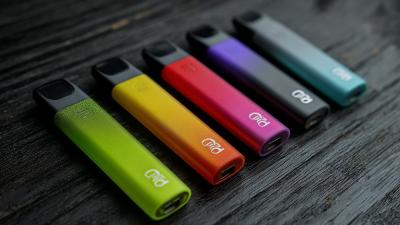
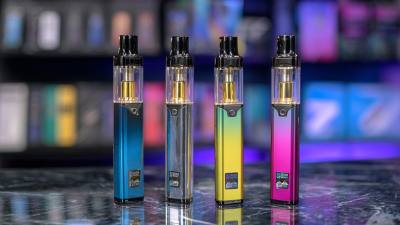
A refillable disposable pod system is a compact vaping device designed for short-term use, but with a pod that users can refill. It usually combines a small battery, heating coil, mouthpiece, and liquid chamber. The pod may be replaced later, while the main device is not designed for long-term maintenance. The label is imperfect.
In practical use, the device feels simple. A user fills the pod, waits briefly for the liquid to absorb, then activates the device. Some models use a built-in coil, while others allow coil replacement. These details affect leakage, flavor consistency, cleaning needs, and product lifespan. A refillable pod is not automatically reusable forever. Battery capacity and material durability still limit its service period.
Market data helps explain this category’s growth. Grand View Research estimated the global e-cigarette market at USD 22.54 billion in 2022, with continued expansion expected through 2030. However, that figure covers several product types, not refillable disposable systems alone. This distinction matters. Industry reports often group products differently, making direct comparisons difficult. Reliable evaluation should examine pod capacity, battery specifications, refill instructions, and safety testing rather than relying on the word “disposable.” Users should also check local regulations, because product definitions and sales requirements vary between jurisdictions. The terminology remains unsettled.
| Data Dimension | Definition or Typical Characteristic | Practical Meaning |
|---|---|---|
| Basic Definition | A compact vaping device designed for limited use that allows the user to add e-liquid instead of replacing the pod after the first fill. | It combines the convenience of a disposable-style device with the refill function of a reusable pod system. |
| Meaning of “Disposable” | The device is generally intended to have a limited service life and is discarded when the battery, coil, or integrated hardware reaches the end of its usable period. | Refillable does not necessarily mean permanently reusable or designed for indefinite operation. |
| Core Components | A battery, heating coil, wick, e-liquid reservoir, airflow path, mouthpiece, and control or activation mechanism. | Some parts may be integrated into one sealed body, while others may be housed in a removable pod. |
| Refilling Method | E-liquid is added through a filling port that may be protected by a silicone plug, sliding cover, or removable mouthpiece. | The filling port should be closed securely after filling to reduce leakage and contamination. |
| E-Liquid Capacity | Capacity varies by design and market rules; small pod reservoirs commonly hold approximately 1.5–2 mL, while some products may hold more where permitted. | Actual capacity should be checked on the product label and against applicable local regulations. |
| Battery Operation | Most refillable disposable-style pod systems use a built-in rechargeable lithium-ion battery and a USB charging connection. | The device can be refilled several times, but it must be charged safely and removed from service if the battery becomes damaged. |
| Heating System | An electrically powered coil heats the e-liquid absorbed by a wick and produces an aerosol for inhalation. | Flavor quality and vapor output can decline when the coil or wick is worn, flooded, or operated without sufficient liquid. |
| Activation Type | Common activation methods include draw activation, button activation, or a combination of both. | Draw-activated designs start when the user inhales, while button-operated designs require manual control. |
| Expected Service Life | Service life depends on battery capacity, puff frequency, liquid volume, coil condition, charging practices, and storage conditions. | There is no universal refill count; the device should be replaced when performance, battery safety, or structural integrity deteriorates. |
| Portability | The compact, lightweight form factor is intended for convenient carrying and simple operation. | Its small size usually means lower liquid and battery capacity than larger refillable vape devices. |
| Key Advantages | Simple operation, compact design, the ability to change e-liquid, and potentially fewer complete device replacements than a single-use product. | Users can select different compatible e-liquids without purchasing a new device each time the reservoir is empty. |
| Main Limitations | The coil, wick, battery, and internal electronics may not be replaceable, and leakage or reduced performance can occur over time. | Refilling extends use but does not eliminate maintenance requirements or the need for eventual disposal. |
| Safety Considerations | Use only compatible e-liquid, avoid overfilling, keep liquid away from charging ports, and do not use a device with a swollen, leaking, or visibly damaged battery. | Follow the manufacturer’s instructions and local requirements for charging, storage, use, and disposal. |
| End-of-Life Handling | Because the device may contain a lithium-ion battery and electronic components, it should not normally be placed in regular household waste. | Use an appropriate battery or electronic-waste collection service where available, and keep the device away from heat and water before disposal. |