How to Source Refillable Disposable Vape Pods in 2026?
Sourcing a Refillable Disposable Vape Pod in 2026 requires more than comparing quotations. Buyers need documented specifications, batch traceability, independent test records, and clear after-sales procedures. A supplier’s sample is only a starting point. The label can mislead.
The WHO’s 2021 Global Report on Trends in Prevalence of Tobacco Use 2000–2030 estimated that 37 million children aged 13–15 use tobacco worldwide. That figure covers tobacco overall, not this device category. Still, it underscores why responsible channel selection and effective age safeguards matter. WHO Director-General Dr. Tedros Adhanom Ghebreyesus warned: “Children are being recruited and trapped at an early age to use e-cigarettes and may get hooked to nicotine.” His warning makes responsible sourcing more than a paperwork exercise.
A useful supplier review should check material and component disclosures, consistent batch records, and credible test documentation. Confirm that product claims are supported, and assess whether the supplier can provide reliable corrective-action records if a batch raises concerns. Requirements differ by destination market, so verify applicable product and sales rules before placing an order. Do not assume one certificate covers every market. Not glamorous. Still essential. Even a careful checklist can miss details; unresolved gaps deserve follow-up, not guesswork.
Define the Refillable Disposable Vape Pod Specifications
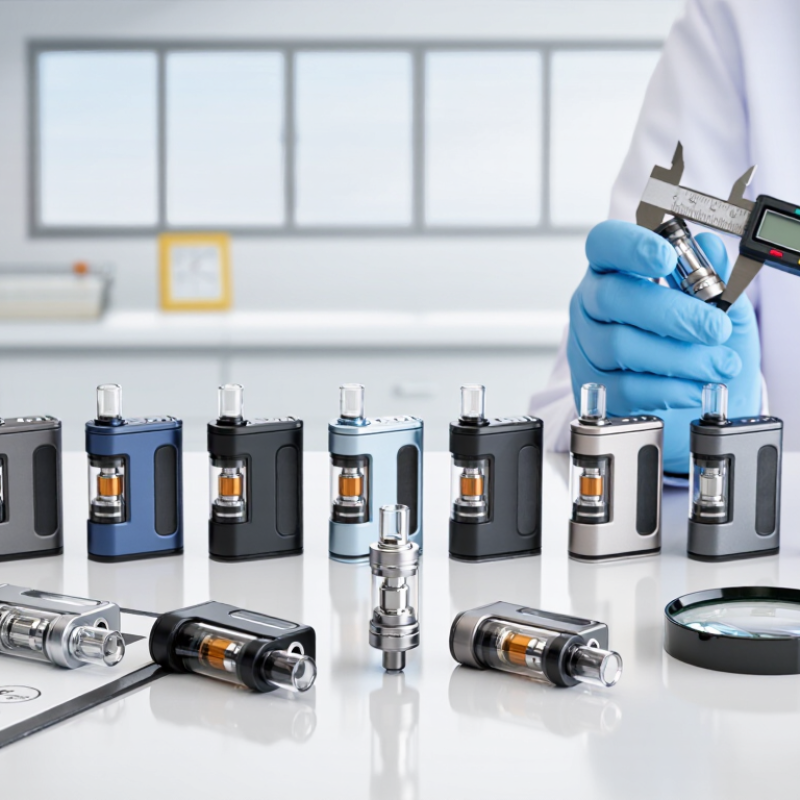
Define the refillable disposable vape pod specifications before requesting supplier quotes. State the pod’s liquid capacity, outer dimensions, materials, fill-port position, and intended device compatibility. Clarify whether “disposable” describes the device body or only a replaceable component; suppliers may interpret the term differently. Small details matter.
Specify coil type and resistance range, connection method, airflow design, and the expected refill or use cycle. Ask for drawings and production samples, then check fit, seal quality, and leakage after transport and repeated handling. Test the seal. Record acceptable tolerances rather than relying on phrases such as “standard fit.” A tidy specification sheet can still overlook a weak cap or awkward fill opening.
Set measurable quality checks for each batch, including visual defects, dimensional consistency, and functional testing. Request material declarations and relevant test documentation, and verify that documents match the actual pod configuration. Confirm packaging, labeling, and destination-market requirements with qualified compliance staff before placing an order. Keep a retained sample from each approved revision. Small changes can matter. Note any unresolved issues openly; a specification is useful only when suppliers and inspectors can apply it consistently.
Check 2026 Market Rules and Product Compliance Requirements
Grand View Research estimated the global e-cigarette and vape market at US$26.2 billion in 2023, with a projected 30.6% annual growth rate through 2030. That broad category is not a forecast for refillable pods alone. Still, it signals why careful supplier screening matters. Define the product clearly: a reusable device with a replaceable pod is not automatically treated like a single-use device. Ask suppliers for dated specifications, component lists, leak-test results, battery safety documents, and traceable batch records.
Rules depend on the destination market, and 2026 requirements may change. In the European Union, the Tobacco Products Directive limits nicotine-containing refill containers to 10 ml, tanks and cartridges to 2 ml, and nicotine concentration to 20 mg/ml. Confirm current national rules before placing an order. In the United States, new tobacco products generally need FDA marketing authorization before they can be marketed. A factory certificate alone does not prove that a specific product is authorized.
Check labels, warnings, ingredient disclosures, packaging, and age-sale controls against the rules for each destination. Request independent test reports tied to the exact model and production batch, not a similar-looking sample. Small differences matter. A changed coil, pod seal, or battery can affect test results, yet sourcing teams sometimes overlook them. Build approval time into the purchase schedule, and have a qualified compliance professional review the final documents before shipment.
Find and Verify Qualified Manufacturers and Distributors
When sourcing refillable disposable vape pods in 2026, treat supplier claims as leads, not proof. Ask for the manufacturer’s legal business name, production address, and quality contact. Verify company details through independent records, and request current audit documents and written quality procedures. Paperwork matters. Confirm that the supplier can identify the materials used and trace each production batch.
Check distributors as carefully as manufacturers. Request evidence that they are authorized to sell the products, along with clear records of where stock comes from. Ask how complaints, defects, and product recalls are handled. A polished brochure proves very little. I would not rely on one sample; it may be unusually good. Review several samples and check for leakage, consistent fit, and clear packaging information.
Before placing a large order, agree on inspection criteria, delivery timelines, and what happens if goods fail those checks. Keep emails, specifications, and sample approvals together. Confirm applicable product, labeling, and import requirements for the intended market with qualified professionals. Requirements can differ, and supplier assurances are not a substitute for verification. Some checks take time, which is frustrating, but skipping them can cost more.
Assess Materials, Quality Controls, and Product Safety
When sourcing refillable disposable vape pods, inspect the materials that touch the liquid, not just the outer casing. Request material specifications for the reservoir, seals, and mouthpiece. Ask whether they have been tested for chemical compatibility under expected storage and use conditions. A clear sample is useful, but it cannot prove long-term safety. Small details matter.
Quality controls should be documented by batch. Request inspection records for dimensions, seal integrity, airflow, and leakage after handling. Ask how defects are identified and what happens to affected lots. Independent laboratory testing can add confidence, provided reports match the exact materials and product configuration being purchased. Keep records. Traceable lot numbers make complaints easier to investigate.
Check that packaging carries clear handling information and that product claims are supported by evidence. Confirm applicable safety and market requirements with qualified compliance professionals before placing an order. Samples should be assessed under realistic conditions, including temperature changes and repeated refilling. This takes time. It may also reveal inconsistent fit or a seal that fails only after several cycles. Supplier assurances help, but they are not a substitute for documented checks and careful review.
How to Source Refillable Vape Pods: EU TPD Capacity Limits
For nicotine-containing e-cigarettes sold in the EU, the Tobacco Products Directive sets a maximum capacity of 2 mL for cartridges or tanks and 10 mL for refill containers. These are legal capacity limits, not quality ratings. When sourcing, also request material specifications and documented safety and quality-control testing, and verify the rules for your destination market.
Source: EU Tobacco Products Directive 2014/40/EU, Article 20.
Compare Samples, Pricing, Minimum Orders, and Supply Terms
How to Source Refillable Disposable Vape Pods in 2026?
Compare samples before comparing price sheets. Request units from the same production run, then inspect seals, airflow, fill-port closure, and material consistency. A pod should remain leak-free after standing upright and on its side. Test the refill process several times; a port that works once may become awkward with repeated use. Record results, including small defects. They matter.
Ask suppliers for a written specification covering capacity, materials, compatible components, packaging, and quality checks. Compare quotations on the same basis: unit price, sample fees, tooling, shipping, and any inspection costs. A low unit price can hide expensive packaging or freight. Get the minimum order quantity for each configuration, not just the headline figure. Test in batches. It is less exciting, but safer for budgeting.
Before placing an order, confirm production lead time, payment milestones, defect remedies, replacement terms, and how schedule changes are handled. Request recent quality records and clarify which checks apply to every batch. Keep samples and signed specifications for comparison when deliveries arrive. For markets where these products are permitted, verify applicable product and labeling requirements with qualified local advisers. One weak point remains: supplier documents cannot replace independent inspection, especially when a large order is at stake.