Leave Your Message

China Top Refillable Disposable Pod System Suppliers

Supplier selection for a Refillable Disposable Pod System requires more than comparing prices or product photos. Buyers need to examine design consistency, material specifications, battery documentation, leak testing, and quality-control records. The category itself can be defined differently across manufacturers, so product descriptions deserve careful checking. Definitions matter.

Grand View Research’s E-cigarette and Vape Market report estimated the global market at USD 28.17 billion in 2023 and projected growth through 2032. These figures cover a broad market, not this specific product category. They indicate commercial interest, but they do not prove that every product or supplier meets the same standards. Market estimates also vary with research methods and category boundaries.

This guide introduces China-based suppliers through practical sourcing criteria: factory transparency, traceable components, sample evaluation, and clear after-sales procedures. Ask for current test documentation, inspect packaging and device details, and confirm that labeling and sales practices meet the rules in each intended market. A polished catalogue is not enough. Some supplier information may be incomplete, and that is a real limitation buyers should acknowledge. Careful verification helps distinguish documented capability from claims that still need evidence.
China Top Refillable Disposable Pod System Suppliers

What Is a Refillable Disposable Pod System?

A refillable disposable pod system is a compact electronic device with a pod that can be filled again, while some components may be intended for limited use. The term is not fully standardized, so suppliers may use it for different designs. Check the product specifications to see whether the body, pod, or heating element is replaceable. That distinction matters.

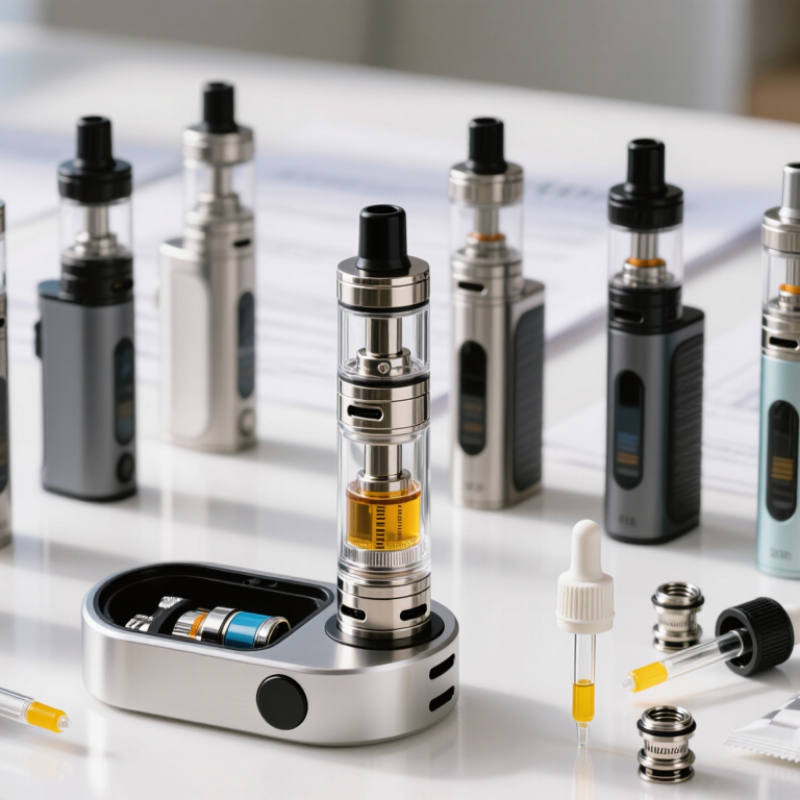
A typical system includes a battery, a pod, and a small heating element. The pod holds liquid in a sealed chamber, often behind a visible window that helps users check the level. Refilling usually involves opening a small port, adding liquid carefully, and closing the seal. Avoid overfilling; excess liquid can leak into the device. Keep the connection points clean and dry. Simple, but not foolproof.

Compared with a fully disposable unit, a refillable design may reduce how often the entire device is discarded. However, its battery and pod still have finite lifespans, and local disposal guidance should be followed. Materials, capacity, and refill methods vary across models. A clear specification sheet is more useful than a broad label, especially when buyers need to compare replacement parts and expected maintenance.

How Refillable Disposable Pod Systems Are Designed and Used

Refillable disposable pod systems combine a compact battery, a pod, and a liquid reservoir designed for repeated filling. Their disposable designation usually refers to the device’s eventual end of service, but product definitions vary. Designers must balance a visible fill window, leak-resistant seals, and a clear airflow path. Small tolerances matter. A poorly fitted seal can leave liquid around the pod connection.

Grand View Research valued the global e-cigarette and vape market at USD 28.17 billion in 2023, and forecast 30.6% annual growth from 2024 to 2030. This broad market estimate is context, not evidence of demand for refillable disposable systems specifically. Engineering choices still need product-level testing. Electrical safety, battery protection, and consistent pod fit deserve attention throughout development.

In use, the pod is filled through its designated opening, without exceeding its marked limit. Users should keep the contacts dry and follow the device’s charging instructions. The details sound simple. Yet terminology and filling designs differ, so clear instructions matter. A useful supplier specification should state pod capacity, compatible filling method, battery protections, and tested service life. One limitation remains: published market reports rarely explain how reliably individual designs perform.

China’s Refillable Disposable Pod Supplier Landscape

China’s refillable disposable pod supplier landscape is diverse, but product descriptions can blur important design differences. Some devices use replaceable pods; others allow refilling. Buyers should confirm the exact configuration, materials, and intended markets before comparing quotations. Grand View Research valued the broader global e-cigarette and vape market at USD 26.2 billion in 2022, projecting a 30.6% compound annual growth rate from 2023 to 2030. That figure covers more than refillable disposable systems, so it should not be treated as a segment-specific forecast.

Supplier capability is best judged through evidence, not a polished catalogue. Ask for batch-level inspection records, leak-test methods, battery documentation, and clear change-control procedures. On a sample unit, inspect the fill-port seal, pod fit, airflow consistency, and residue around the mouthpiece after repeated use. Small details matter. ISO 9001 can indicate a documented quality-management system, but it does not certify a device’s safety or suitability for a particular market. Requirements vary by destination, so supplier files need review against local rules. Some factories provide strong engineering support; others rely heavily on subcontractors. That distinction is easy to miss, and it deserves closer scrutiny.

How to Evaluate a Chinese Pod System Supplier

China Top Refillable Disposable Pod System Suppliers

How to Evaluate a Chinese Pod System Supplier

Grand View Research estimated the global e-cigarette and vape market at USD 28.17 billion in 2023, with projected growth through 2030. Market growth alone does not prove supplier reliability. Request recent production records, quality-control procedures, and traceable test reports before comparing quotations. Ask whether reports come from an ISO/IEC 17025-accredited laboratory, and confirm they cover the exact product configuration being offered.

Inspect samples for consistent airflow, secure seals, and clear liquid-level visibility. Then compare them with units from a later production batch. Small details matter. Request documented checks for leakage, electrical safety, battery protection, and material consistency. Ask how the supplier controls component changes; an unrecorded substitution can make an approved sample unrepresentative. Review the factory’s corrective-action records, not only its certificates. A certificate is a starting point, not proof of daily performance.

One easy mistake is trusting a polished sample too much. It may not reflect routine production. Request batch-level traceability and written acceptance criteria, including defect limits and inspection frequency. A supplier should explain how it handles failed inspections and provide evidence of corrective action. Even a careful checklist has limits: factory visits and third-party testing add time and cost, but they can reveal gaps that sales documents miss.

Quality Standards and Regulations for Pod System Suppliers

For China’s refillable pod-system suppliers, quality control should be visible in test records, not just sales claims. Check batch traceability, material specifications, leak testing, and consistent airflow measurements. Ask how the supplier controls liquid-contact materials and verifies seals after repeated filling. Small failures matter. A slow leak can stain a sample carton before it appears in a lab report.

Battery safety needs separate evidence. Depending on the product and destination, request relevant cell and transport test documentation, including IEC 62133-2 or UN 38.3 records where applicable. Confirm that reports identify the tested model and component configuration; a certificate for a different cell is not enough. WHO’s 2023 Report on the Global Tobacco Epidemic says 5.6 billion people were covered by at least one MPOWER measure in 2022. This broader policy figure is not a pod-system safety metric, but it underscores how requirements can differ across markets.

Suppliers should map each shipment to the destination’s current rules for labeling, electrical safety, packaging, and product testing. Keep inspection results, corrective-action records, and sample-retention logs together. A factory audit can verify process controls, but it cannot replace product-specific testing. Honestly, paperwork can be messy; gaps should be documented and fixed before shipment, not explained away later.

Selected regulatory implementation years for electronic-cigarette suppliers. These dates are milestones, not quality scores; requirements vary by market.

Sources: EU Tobacco Products Directive 2014/40/EU (e-cigarette provisions applied from 20 May 2016); U.S. FDA Deeming Rule (effective 8 August 2016); China GB 41700-2022 (effective 1 October 2022).