7 Tips for Sourcing Disposable Vape USA Products Compliantly
Sourcing Disposable Vape Usa products responsibly begins with evidence, not a low quote or a polished catalog. The FDA’s authorized e-cigarette product list is a practical reference for checking whether specific products may be legally marketed in the United States. Its list is not a blanket approval of every flavor, device, or supplier. Verify the exact product and manufacturer before discussing terms.
Public-health data also explains why careful sourcing matters. The CDC and FDA’s 2024 National Youth Tobacco Survey reported current e-cigarette use among 5.9% of U.S. middle and high school students. That figure is a reminder that age controls, product claims, and distribution practices deserve close attention. Small details matter: a matching product identifier, consistent packaging, and records that connect each shipment to its supplier.
Former FDA Center for Tobacco Products director Brian King has emphasized the agency’s focus on enforcing tobacco-product requirements and protecting public health. His message points to a useful sourcing principle: verify claims against primary records, rather than relying on a seller’s assurances. The seven tips ahead offer a practical starting point for evaluating documentation, supplier reliability, and product status. They cannot replace qualified legal advice, and requirements can change. A spreadsheet helps. It does not prove compliance by itself.
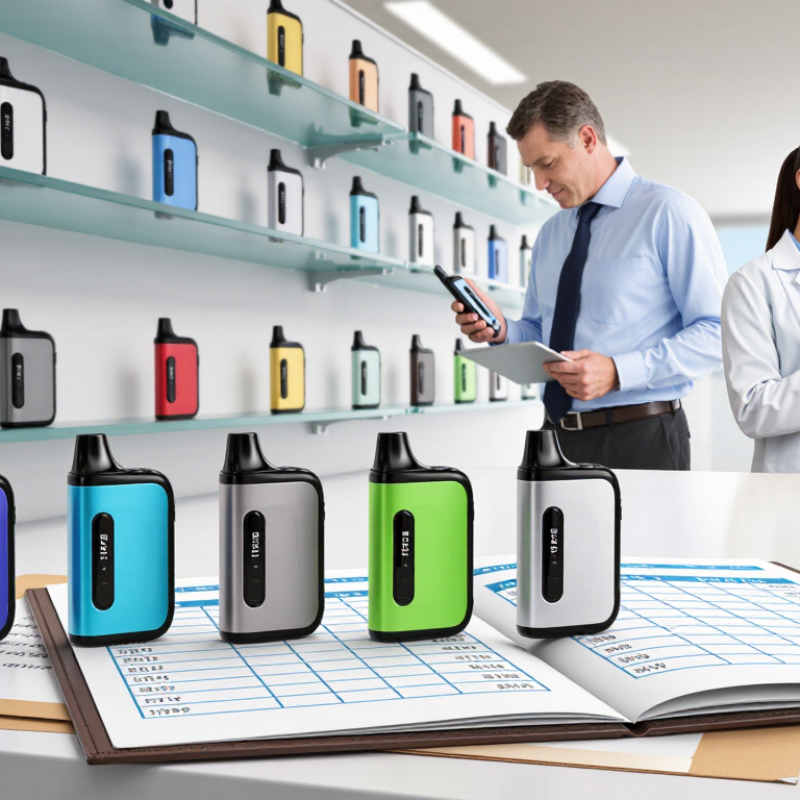
Understand U.S. Federal and State Rules for Disposable Vape Products
For U.S. disposable-vape sourcing, federal authorization is a practical starting point, not a paperwork detail. The FDA requires covered tobacco products to have a marketing order before they can be legally marketed. Verify the exact product, manufacturer, and authorization status in the FDA’s searchable database; a supplier’s assurance is not enough. Federal law also bars sales to anyone under 21, and retailers must check photo identification for customers under 30. Keep dated invoices, product identifiers, and supplier records. Small mismatches matter.
State rules add another layer. Some states restrict flavors, online sales, delivery, or products not listed on state directories. Requirements can change, so check the destination state’s current statutes and agency guidance before each order.
The CDC’s 2024 National Youth Tobacco Survey reported that 5.9% of U.S. middle and high school students currently used e-cigarettes; among those users, disposable devices were the most commonly reported type. This is a public-health signal, not a sourcing shortcut.
Check age-verification procedures and shipping controls, too. Ask for clear documentation. Battery and electronics disposal rules may also apply, and local requirements can be easy to overlook. A checklist helps, but it can still miss a state update. Recheck it.
Verify Supplier Licenses, Business Credentials, and Product Authorization
Before ordering disposable vape products for U.S. distribution, verify the supplier’s business identity and current licenses directly with the issuing state or agency. Match the legal business name, address, and license number across invoices, permits, and shipping records. Ask who holds the required state and local registrations, and confirm they cover the specific sales activity and destination. A polished certificate is not enough. Check its status independently, and save dated screenshots or written confirmation. Small inconsistencies matter; an address mismatch can slow an order or signal that documents need closer review.
Then confirm that each exact product is authorized for sale in the United States. Use the FDA’s searchable tobacco product marketing authorization resources, and compare product names and variants carefully. Similar packaging does not establish authorization. The CDC’s 2024 National Youth Tobacco Survey reported that 1.63 million U.S. middle and high school students currently used e-cigarettes, underscoring why careful controls and lawful distribution matter. Request traceable invoices, batch details, and written confirmation that supplied goods match the authorized product. Keep the records together, not scattered across email threads. I would still recheck before repeat orders; authorization and business details can change, and a spreadsheet can become outdated faster than expected.
Use this seven-point checklist before onboarding a supplier or purchasing products. FDA marketing authorization applies to specific tobacco products; verify each product against current FDA information. State and local licensing requirements vary, so confirm the rules for the relevant locations. This chart is a sourcing checklist, not a measure of legal compliance or an official regulatory score.
Check Product Labels, Ingredients, Age Controls, and Packaging
Before placing a purchase order, request clear label images and a complete ingredient list for every product. Check that nicotine content, volume, manufacturer details, and required warnings match the product specification. Compare the paperwork with the physical sample; small print can conceal a mismatch. Verify applicable FDA marketing requirements using current agency records, and ask suppliers to document any changes to ingredients or packaging.
Tip: Treat age controls as a supply-chain check, not just a checkout feature. Ask how the seller verifies customers’ ages and restricts sales to adults. The 2024 National Youth Tobacco Survey, published by the CDC and FDA, estimated that 1.63 million U.S. middle and high school students currently used e-cigarettes; disposable products were the most common device type among those users, at 55.6%. This is a practical reason to scrutinize age-verification procedures and retail controls.
Inspect packaging for intact seals, legible warnings, and child-resistant features where required for products containing liquid nicotine. Request test records and written packaging specifications, then compare them with received inventory. Keep invoices, product identifiers, label photos, and supplier correspondence together. Paper trails matter. A supplier’s assurance is useful, but it is not proof; I would still sample-check each shipment, even when that feels repetitive.
Maintain Traceable Records and Review Regulatory Changes Regularly
Maintain Traceable Records and Review Regulatory Changes Regularly
For compliant U.S. sourcing, treat traceability as an operating routine, not a folder created for an audit. Record each supplier’s legal business details, invoices, product identifiers, shipment dates, and applicable FDA marketing authorization evidence. Keep versioned copies of specifications and packaging artwork. A missing lot reference can make a straightforward question difficult to answer. Small gaps matter.
The FDA maintains a searchable list of authorized e-cigarette products; check the current listing rather than relying on an old supplier PDF. Authorization status and agency guidance can change, so assign someone to review FDA updates on a set schedule and log the date, source, and action taken.
The CDC’s 2023 National Youth Tobacco Survey estimated that 2.13 million U.S. middle and high school students currently used e-cigarettes, underscoring the public-health scrutiny around this category. That figure is not a sourcing rule, but it helps explain why records and careful review deserve attention.
Keep purchase orders, receiving logs, and supplier correspondence linked by product and lot where available. An imperfect spreadsheet may still help, but it should not be the only record. Recheck it against invoices and inventory counts.