7 Best Big Cloud Vape Suppliers for Global Buyers?
Big Cloud Vape sourcing is not just a search for bold flavor names or dramatic vapor claims. Global buyers need suppliers with clear product specifications, consistent batch records, responsive support, and credible quality documentation. The practical details matter: Can a supplier provide a current ingredient list? Do sample products match later orders? Are shipment and warranty terms written down?
The World Health Organization’s 2024 reporting estimated that more than 100 million people use e-cigarettes worldwide, including at least 86 million adults. That figure describes use, not a market forecast. It does, however, underline why responsible sourcing and careful age- and market-specific checks matter. Regulations differ by destination, so buyers should verify local requirements rather than assume one supplier’s documents work everywhere.
For health context, WHO health-promotion director Dr. Ruediger Krech stated, “E-cigarettes are harmful to health and are not safe.” That warning is important. Supplier selection should never replace independent review, product testing, or legal advice. This guide compares seven Big Cloud Vape suppliers through practical criteria, including documentation, communication, order consistency, and transparency. Not every detail is easy to verify. That deserves reflection. A polished catalogue can look convincing, but reliable purchasing depends on evidence behind the images.
Understanding Big Cloud Vape Suppliers and Their Global Market
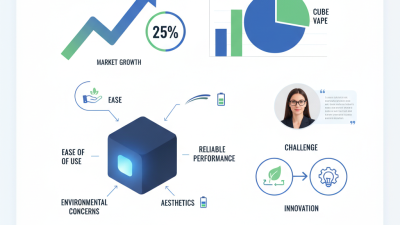
Big-cloud vape suppliers serve a market shaped by demand, shipping capacity, and changing product rules. Grand View Research valued the global e-cigarette and vape market at USD 28.17 billion in 2023, forecasting 30.6% annual growth from 2024 to 2030. IMARC Group estimated the 2023 market at USD 22.7 billion, with a different forecast horizon. Definitions differ. These figures are estimates, not a sales guarantee; report methods and product categories can vary.
For global buyers, supplier quality shows in practical details: traceable batch records, clear product specifications, responsive documentation teams, and realistic delivery windows. Ask how each shipment is packed and tracked, and request applicable battery transport test documents. Check that products and marketing meet the destination market’s requirements before ordering; rules can differ across borders and change over time. A polished catalogue is not proof of reliable quality. Independent testing and consistent records matter more. Small gaps in paperwork can delay a shipment, and sometimes the supplier’s answers are less clear than they should be.
Criteria for Evaluating Vape Suppliers and Product Ranges
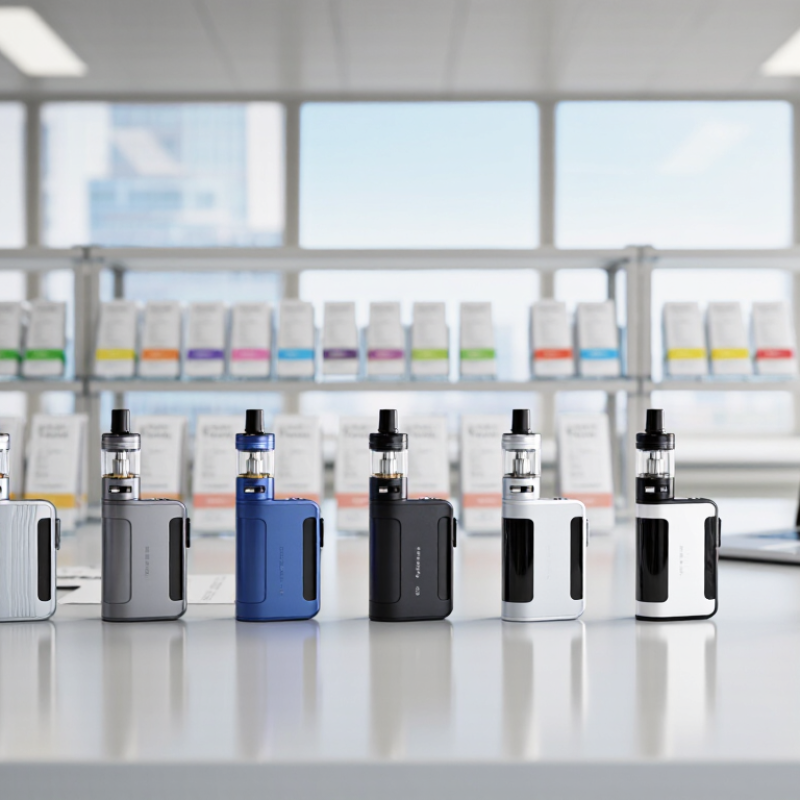
Choosing a vape supplier takes more than comparing catalogue photos and unit prices. Check whether product specifications are clear, consistent, and supported by current documentation. Ask for details on battery capacity, charging method, materials, packaging, and available formats. A reliable supplier should explain how batches are identified and how quality issues are handled. Request sample units and inspect finishes, labels, and packaging against the written specifications. Small mismatches matter.
Product range matters, but breadth alone is not proof of quality. Compare a focused selection of models, flavours, and device formats, then ask how often specifications change. Review minimum order quantities, production lead times, shipping options, and after-sales response times. Confirm that the supplier can provide records relevant to your market and that you will independently check applicable requirements before purchasing. Responses should be specific, not just reassuring. No scorecard is perfect; tidy paperwork can still leave practical questions unanswered. Test those answers with a small sample order and clear written criteria.
7 Best Big Cloud Vape Suppliers for Global Buyers? Criteria for Evaluating Vape Suppliers and Product Ranges
How to use this chart: These suggested evaluation weights are a practical framework, not market statistics or ratings of specific suppliers. Prioritize verifiable compliance documentation and product testing, then assess range, export capability, and commercial terms. Requirements vary by destination; confirm applicable laws and import rules before purchasing.
Profiles of Seven Big Cloud Vape Suppliers for International Buyers
International buyers often compare suppliers by more than catalog size. The integrated manufacturer may offer tighter control over components and inspection records. A contract producer can adapt packaging or production runs, though changes may extend lead times. Export-focused distributors often understand freight documents and destination requirements. Ask for current certificates and clear product specifications. Details matter.
Regional wholesalers can simplify repeat orders by holding stock nearby. Design-led suppliers may provide detailed finish options, but appearance alone says little about consistency. Small-batch specialists can support limited trials, although unit costs may be higher. A sourcing group with logistics experience may coordinate several factories and shipments. Confirm who is responsible for quality checks.
These seven profiles are useful starting points, not guarantees. Supplier categories overlap, and marketing claims deserve verification. Request sample units, batch records, warranty terms, and written defect procedures before placing a large order. Check that products meet applicable safety, labeling, age-control, and import requirements in each destination. Keep the answers on file. A polished website is not proof of reliable production; even a careful review can miss problems that appear only after repeated orders.
Regulations, Certifications, and Import Requirements by Region
For global buyers, check destination rules before comparing a supplier’s price or production capacity. The WHO’s 2023 Global Tobacco Epidemic report notes that 121 countries regulate e-cigarettes in some form, while 74 have no specific regulations. Rules can change quickly, so confirm requirements with the destination country’s regulator and customs authority. In the European Union, the Tobacco Products Directive limits nicotine concentration to 20 mg/ml, refill containers to 10 ml, and tanks to 2 ml. It also requires product notification at least six months before market placement. Small details matter.
In the United States, FDA premarket authorization is required for e-cigarette products; customs clearance alone does not establish that a product can be legally marketed. Importers should request ingredient and emissions records, test reports, batch traceability, compliant labels, and proof of required notifications or authorizations. Check whether documents match the exact model and destination market. Local-language warnings and packaging rules can also affect clearance. A checklist is never perfect. Even experienced teams can miss a regional update, so build time for independent review before shipment.
Comparing Pricing, Shipping, and After-Sales Support
For global buyers comparing cloud vape suppliers, the quoted unit price is only one part of the cost. Ask for a written quotation showing minimum order quantity, sample fees, packaging, payment charges, and delivery costs. A low quote can change after freight is added. Compare the same product specifications and order volume across suppliers. Request a dated pro forma invoice, and check that product descriptions match the shipping documents. Transit estimates should include dispatch time, tracking availability, and a clear plan for delays. Not every route is predictable.
Tips: Ask for a small evaluation order before committing. Save emails, invoices, and tracking updates. Confirm that products and sales channels meet the rules in each destination market. Regulations can change, so verify requirements with relevant authorities or a qualified adviser.
After-sales support matters when cartons arrive damaged, quantities differ, or instructions are unclear. Before ordering, ask who handles claims, what evidence they require, and how quickly they respond. Request written terms for replacements, refunds, and warranty coverage. Test support with a specific question, not just a greeting. A prompt reply is useful, but it does not prove a reliable claims process. Keep a simple record of response times; it can reveal gaps a polished sales page hides. Comparing suppliers takes time, and an initial shortlist may still miss a detail. Keep the criteria consistent.