2026 Top Cloud Disposable Vape Trends What You Need to Know
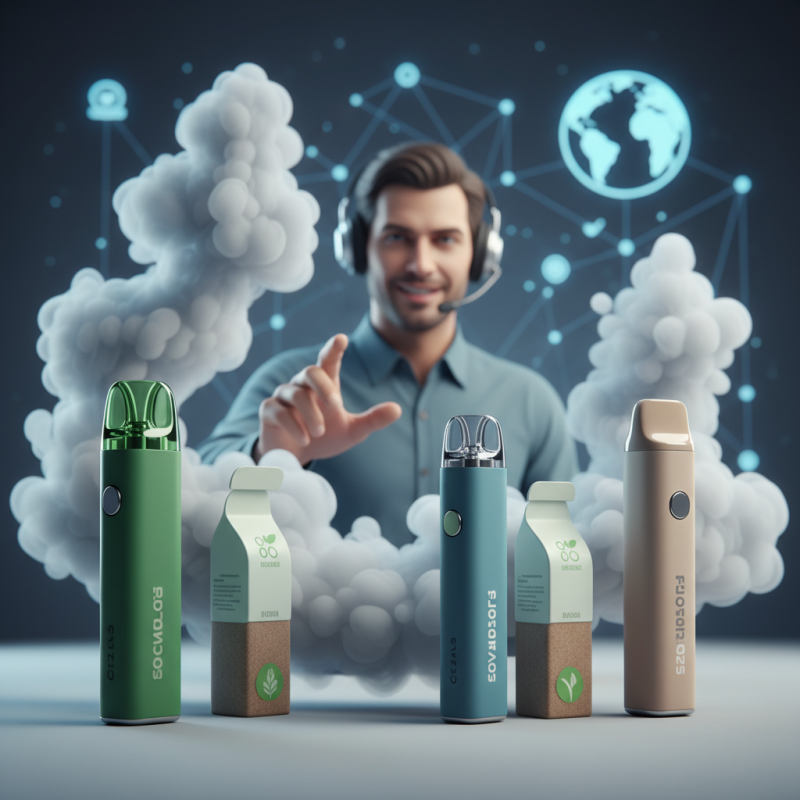
As the popularity of Cloud Disposable Vape continues to rise, understanding the evolving trends is essential. Industry expert Dr. Lisa Kenton emphasizes, "Innovation in vaping technology shapes consumer preferences." Her insights highlight a shift toward environmentally friendly options.
Vapers now seek products that align with their values. This includes sustainable materials and reduced waste. Companies are responding to this demand with new designs and flavors. However, these advancements also bring challenges. Balancing quality, safety, and affordability can be difficult.
The landscape of Cloud Disposable Vape is rapidly changing. With consumer interests diversifying, brands must stay ahead. Exploring these dynamics will provide a clearer picture of what lies ahead in 2026 and beyond.
Emerging Technologies in Cloud Disposable Vapes for 2026
The landscape of cloud disposable vapes is rapidly evolving. By 2026, emerging technologies are set to redefine user experiences. According to a recent market analysis by industry experts, the disposable vape market is projected to exceed $30 billion in revenue. This surge is driven by advancements in vaporization techniques and customizable user interfaces.
One notable trend is the integration of smart technology in vapes. Devices with app connectivity offer users personalized settings and real-time data on usage. This feature allows enthusiasts to track their intake formats and explore various flavor profiles tailored to their preferences. Also, many disposable vapes now incorporate biodegradable materials, reflecting a growing awareness of environmental impacts.
However, the industry faces challenges. As technology advances, ensuring product safety and quality becomes paramount. Reports indicate that nearly 18% of consumers express concerns about the longevity and reliability of these devices. Balancing innovation with user safety remains a crucial focus. The industry must grapple with these complexities while striving for a more sustainable and enjoyable vaping experience.
Design Innovations Shaping the Future of Disposable Vapes
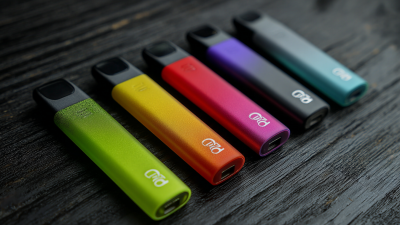
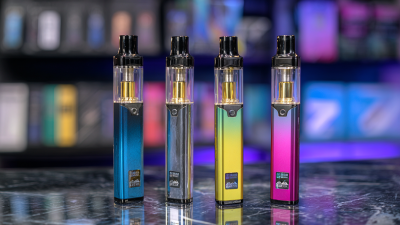
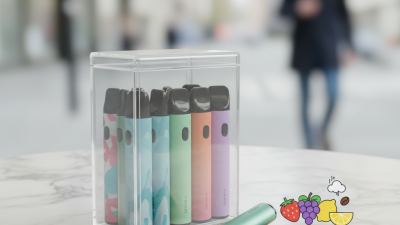
The future of disposable vapes is being shaped by innovative designs. Manufacturers are focusing on user experience through ergonomic shapes and vibrant colors. Sleeker models fit comfortably in the hand, making them more appealing. Some feature transparent materials, allowing users to see the remaining liquid. This tangible connection enhances satisfaction.
Flavor choices are expanding as well. Designers are incorporating interactive elements, like customizable skins, adding a personal touch. Users can express their style while enjoying their favorite flavors. However, sustainability remains a challenge. While many designs aim for eco-friendly materials, the impact of disposables cannot be overlooked. Balancing innovation with environmental responsibility is crucial.
Another trend is portability. Compact designs make it easy to carry. Yet, this can lead to usability issues. Smaller devices may compromise battery life and vapor production. Designers must reflect on how to maintain performance without sacrificing size. As innovations unfold, ongoing dialogue about responsibility is essential.
Health and Safety Regulations Impacting Cloud Disposable Vapes
The rise of cloud disposable vapes has attracted significant attention. With the projected market growth expected to reach $6 billion by 2026, health and safety regulations are becoming increasingly relevant. These regulations aim to protect users from potential health risks while ensuring product safety.
Recent studies highlight that nearly 80% of users are concerned about the ingredients in disposable vapes. Some manufacturers use potentially harmful substances. Regulations often require transparency regarding ingredient lists. The lack of universal standards can lead to confusion among consumers. Many users are unaware of the risks associated with unregulated products.
Additionally, the enforcement of quality control measures is inconsistent. In some areas, testing for harmful chemicals is mandatory. In others, it is not. This inconsistency raises questions about user safety and product reliability. As the market continues to grow, so does the need for comprehensive regulations. The industry must confront these challenges to protect the health of consumers effectively.
Consumer Preferences and Trends in Disposable Vaping Market
The disposable vaping market is evolving rapidly. Consumer preferences are shifting, with many users seeking convenience and variety. Ease of use is a significant factor. Disposable vapes offer a hassle-free experience without the need for refills or maintenance. This is appealing for the busy lifestyle that many lead today.
Flavors are an essential part of this trend. Users are increasingly looking for unique and diverse flavor options. Classic choices remain popular, but exotic blends have gained traction. However, the overwhelming number of options can lead to confusion. It's not always easy to choose the right one.
Sustainability is becoming a core concern among consumers. Many are reflecting on the environmental impact of disposable products. There are calls for more eco-friendly alternatives. This shift suggests a growing awareness and responsibility among users. As preferences change, the market must adapt. Manufacturers face challenges in balancing innovation with sustainability.
2026 Top Cloud Disposable Vape Trends
| Trend |
Consumer Preference (%) |
Age Group (%) |
Popular Flavors (%) |
| Increased Demand for Nicotine Salts |
45% |
18-24 (60%) |
Menthol (30%) |
| Sustainability Features |
38% |
25-34 (45%) |
Fruit Mix (25%) |
| Customization Options |
32% |
35-44 (30%) |
Dessert (20%) |
| Innovative Packaging |
28% |
45+ (25%) |
Candy (15%) |
| Increased Awareness of Health Risks |
52% |
All Ages (25%) |
Traditional Tobacco (10%) |
Sustainability Practices in the Disposable Vape Industry for 2026
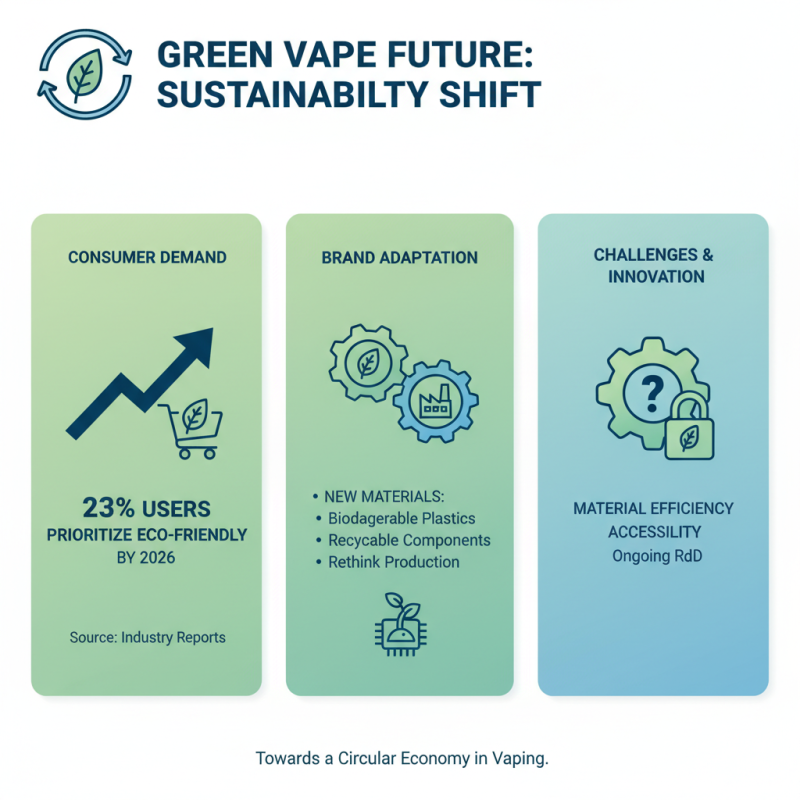
As the disposable vape industry evolves, sustainability is becoming increasingly important. Reports indicate that in 2026, around 23% of disposable vape users prioritize eco-friendly products. This significant shift prompts brands to rethink their materials and production methods. Many are exploring biodegradable plastics and recyclable components. Yet, challenges remain. Not all materials are equally efficient or accessible.
Manufacturers face hurdles in sourcing sustainable materials. A study found that only 15% of currently used materials are recyclable. Consumers often find it difficult to dispose of vapes properly. About 60% of users admit they do not recycle their devices. This behavior contributes to environmental concerns. Brands need to educate consumers on proper disposal methods.
In this evolving landscape, the push for eco-friendly practices needs to be genuine. A mere marketing strategy won't suffice. The industry must integrate sustainability into its core values. Reports forecast that companies adopting comprehensive sustainability practices could gain a 30% market share by 2026. The path is challenging, yet potential rewards are immense.